
What is LABUBU?
What is Labubu?Labubu is a phenomenon-level original IP character under the Chinese pop toy brand POP MART. Created by Hong Kong artist Kasing Lung in 2015, it belongs to the characters in his picture book series The Monsters. Below is a detailed analysis of Labubu: 1. Appearance and Setting What is Labubu?Physical Traits: Labubu is renowned for…
What is Labubu?Labubu is a phenomenon-level original IP character under the Chinese pop toy brand POP MART. Created by Hong Kong artist Kasing Lung in 2015, it belongs to the characters in his picture book series The Monsters. Below is a detailed analysis of Labubu:
1. Appearance and Setting
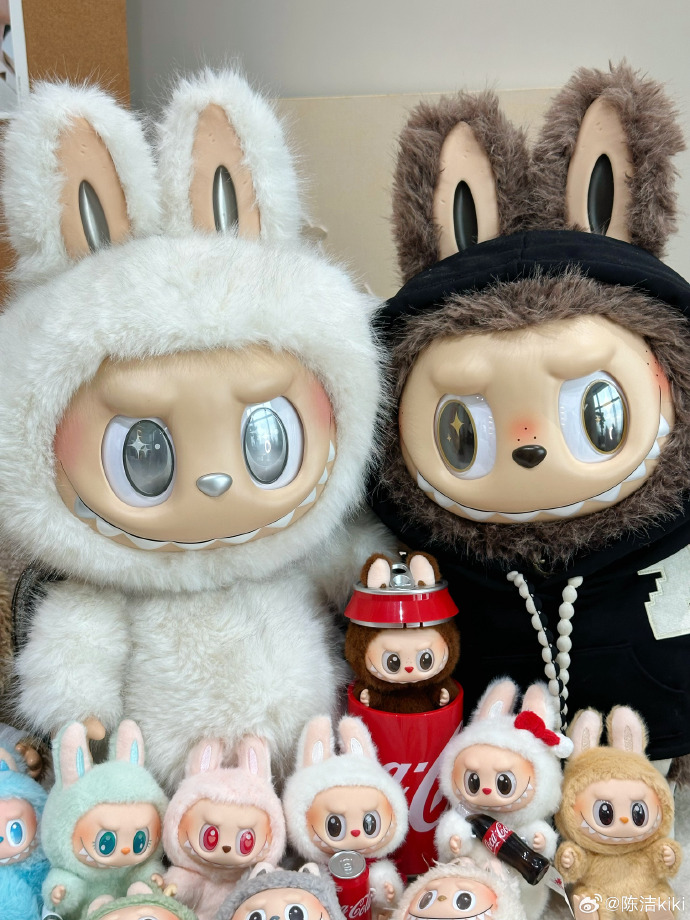
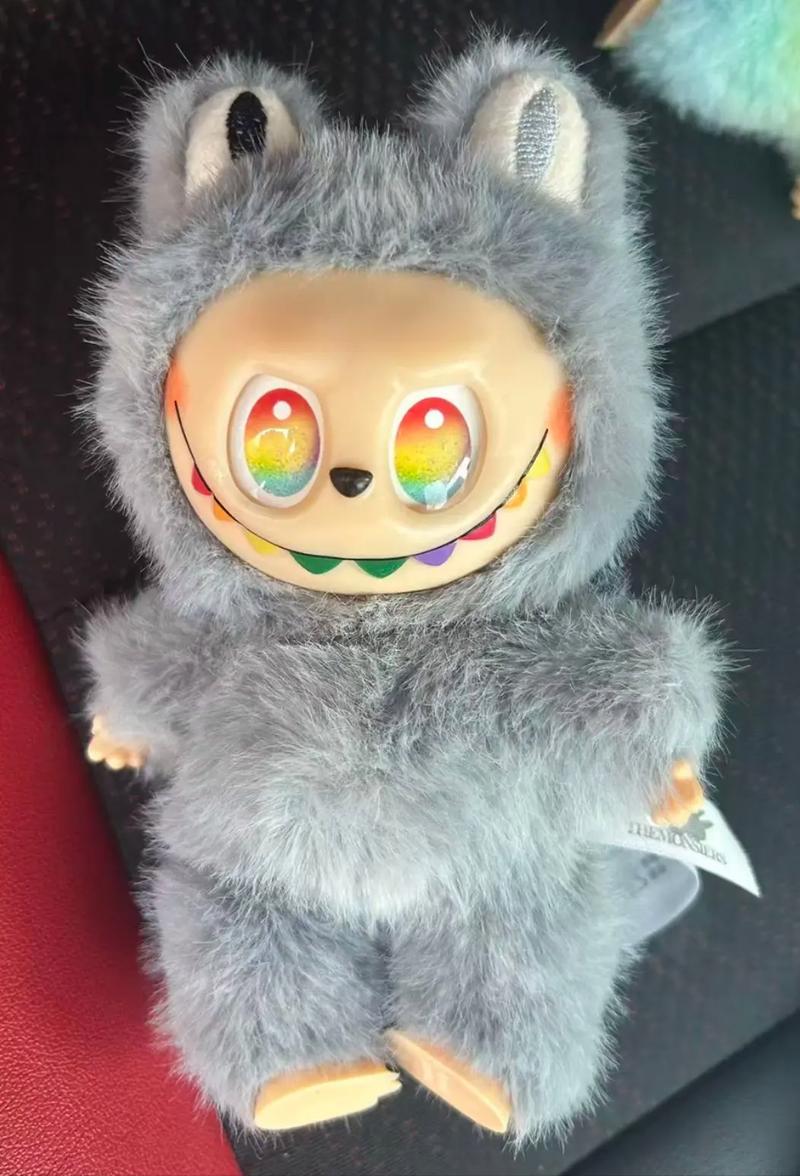
What is Labubu?Physical Traits: Labubu is renowned for its “ugly-cute” aesthetic, featuring pointed ears, nine serrated fangs, asymmetrical pupils, and distorted limb proportions—blending ‘creepy’ and “adorable” in a contrasting beauty. Standing roughly cat-sized, it belongs to a tribe of 100 elves dwelling in Nordic forests, known for mischievous, optimistic, and prank-loving personalities.
Character Background: Inspired by Norse mythology, it first appeared as a cameo in Long Jiasheng’s picture books before being commercialized by Pop Mart, which developed its narrative (such as mischievous fruit-stealing antics).
2. Product Forms and Engagement
What is Labubu?Core Products: Primarily blind boxes, typically 5-10 cm in size. Combines vinyl (face) and plush (body) materials. Base versions retail at ¥59, while hidden variants have a low drop rate of 1 in 144. Some limited editions command premiums of dozens of times their original price on secondary markets (e.g., the “Strawberry Crisp” variant sold for ¥7,800).
Derivative Forms: Include giant sculptures, collaborations (e.g., Vans apparel, Uniqlo UT, Luckin Coffee), digital collectibles (NFTs), and theme park installations.
3. Global Impact
Cultural Symbol: LaBuBu has become Gen Z’s “social currency,” with related topics on Xiaohongshu garnering over 1.8 billion views. Officially appointed as Thailand’s “Amazing Thailand Experience Ambassador,” it sparked queues and buying frenzies in Europe and America (e.g., U.S. stores remain sold out despite tariff-driven price hikes).
Commercial Performance: In 2024, the La Bubu series generated over 3 billion yuan in revenue—a sevenfold increase year-over-year. Pop Mart’s overseas revenue surged dramatically, with its app topping the US App Store’s shopping charts.
4. Reasons for Popularity
Emotional Economy: Stimulates dopamine release through blind box randomness and hidden variant scarcity, fulfilling youth’s need for emotional companionship and self-expression.
Global Strategy: Universal designs (e.g., Nordic elf themes) combined with localized collaborations (e.g., Singapore Merlion editions) reduce cultural barriers.
Celebrity Endorsements: Spontaneous promotions by international stars like BLACKPINK’s Lisa fueled viral social sharing.
- Controversies and Reflections
Price Speculation: Auction prices for limited editions reached millions (e.g., mint-colored first edition sold for ¥1.08 million), sparking debates about market bubbles.
What is Labubu?Cultural Export Significance: As a Chinese original IP, Labuboo is hailed as a benchmark for “rewriting global fashion discourse,” though its long-term value remains to be seen. 68. Conclusion: Labuboo transcends mere collectibles, embodying an era-defining fusion of artistic design, emotional consumption, and cultural export. Its success reflects the innovative potential of Chinese IPs in the global marketplace. What is Labubu: From Nordic Forests to Global Sensation—The “Ugly-Cute” Revolution
I. What is Labubu: A Creative Fusion of Norse Mythology and Eastern Folklore
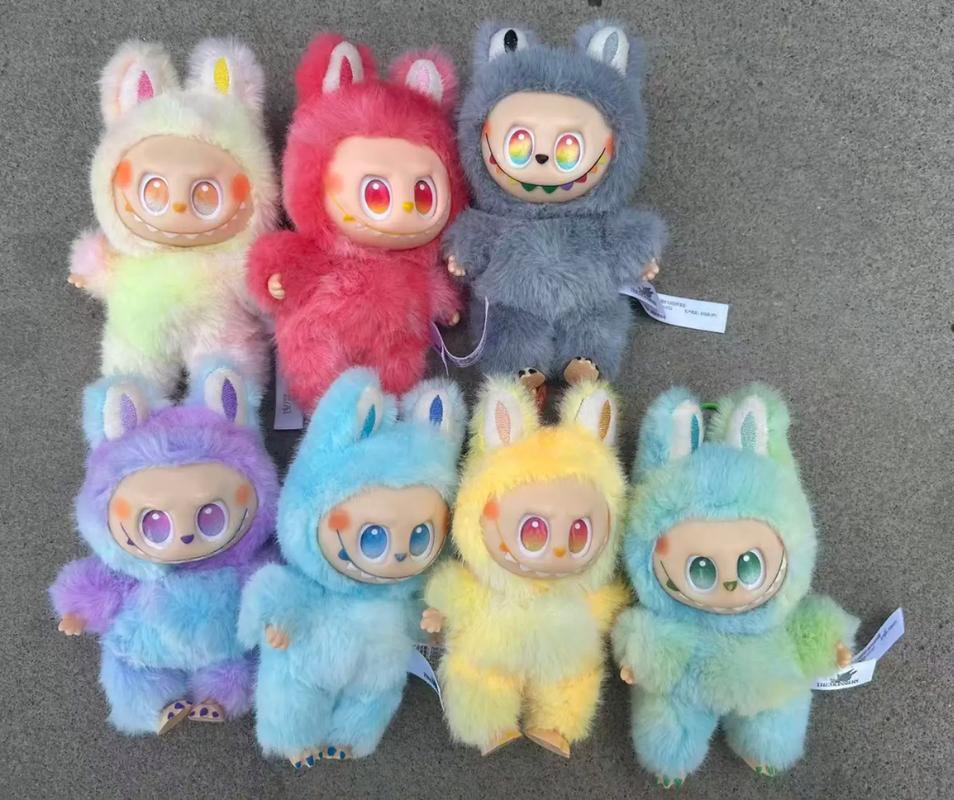
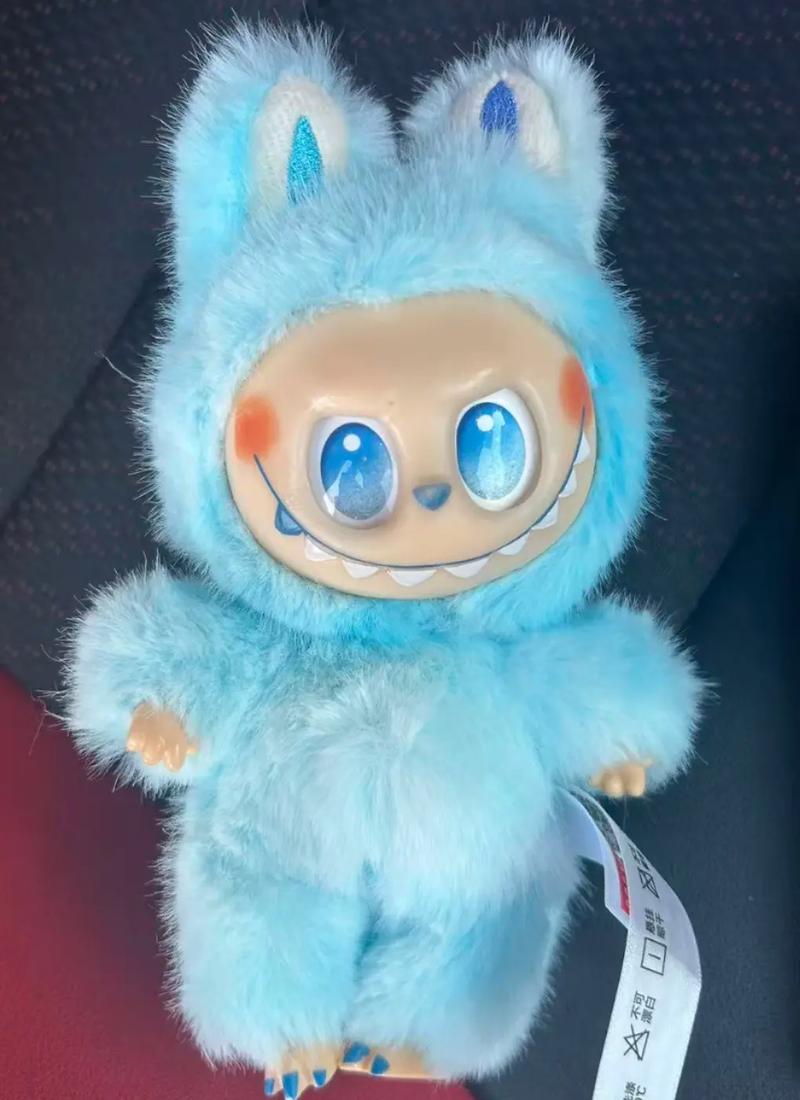
Labubu is a trendy toy IP created in 2015 by Hong Kong artist Long Jiasheng, blending Nordic forest sprites with Eastern folklore. It first appeared as a character in the picture book The Mysterious Buka before being signed by Pop Mart for commercialization, becoming a core member of THE MONSTERS Spirit Squad. This cat-sized sprite with pointed ears and nine serrated teeth subverts traditional collectible aesthetics through its “ugly-cute” design—the contrast between sharp fangs and round eyes, the incongruity of a mischievous grin paired with fluffy fur, forging a visual language of “adorable aggression.” As Long Jiaseng stated: “Labub’s ‘imperfection’ rebels against standardized definitions. Its existence proves beauty can emerge from flaws.”
II. What is Labub?: From Art Exhibition Merchandise to Global Commercial Phenomenon
Labub’s commercial journey began with Pop Mart’s “blind box revolution” in 2019. Each blind box, priced between ¥59 and ¥89, contained a hidden variant with odds of just 1 in 144. This “surprise of the unknown” precisely tapped into Gen Z’s demand for emotional consumption. Data shows that in 2024, the Labuboo series achieved sales of ¥3.04 billion, a staggering 726.6% year-over-year growth, making it Pop Mart’s fastest-growing flagship IP. Its global impact is even more astonishing: From Bangkok to Paris, Auckland to Los Angeles, scenes of young people queuing overnight to snap up the collectibles rivaled limited-edition sneaker releases. British stores saw conflicts erupt over purchases, Egyptian teens scrimped and saved their pocket money, and New York auction houses even recorded a record-breaking sale of ¥1.08 million.
Behind this explosive growth lies Pop Mart’s meticulously crafted business logic:
Scarcity Creation: Generating supply-demand imbalances through limited editions, hidden variants, and region-exclusive releases—such as Thailand’s “Thai-style Labubu” and the Louvre Paris collaboration—to fuel collecting desires;
Social currency: On TikTok, the #Labubu hashtag surpassed 1 billion views as users shared rare finds or creative customization videos to build community identity;
Celebrity endorsement: Posts by stars like Rihanna and BLACKPINK’s Lisa propelled Labubu to broader audiences.
III. What is Labubu? A duet of rebellious aesthetics and emotional value
Labubu’s “ugly-cute” design isn’t accidental—it precisely captures the psychological needs of contemporary youth. Psychological studies show that images combining ‘cuteness’ with a “sense of danger” trigger dopamine release in the brain, creating complex “love-hate” emotions. Labubu’s mischievous grin and nine sharp fangs become a secret code for young people expressing individuality: “I refuse to be defined—even my aesthetic has to be edgy!”
This rebellious aesthetic is further amplified in the character’s design:
Contrasting Personality: Outwardly mischievous (like tossing around Tycoco’s head), yet inwardly kind and innocent—mirroring those who appear aloof but are warm-hearted in reality;
Cultural Deconstruction: Blending Norse elf lore with Eastern supernatural elements grants cross-cultural inclusivity—like Mokoko (Labu’s bestie) with pink fur symbolizing a break from traditional gender roles;
Emotional Anchor: Players name, dress, and carry Mokoko, projecting their feelings onto it for psychological comfort. As one collector put it: “Its imperfections mirror us—battered by life yet stubbornly resilient.”
IV. What is Rabubu: A Cultural Hybrid Experiment in Global Strategy
Rabubu’s global breakthrough stems from Pop Mart’s localization strategy of “global IP + local expression”:
Thailand: The “Thai Rabubu” clad in traditional Thai silk was officially named “Amazing Thailand Experience Ambassador,” becoming a tourism icon through its integration with the Chao Phraya River cruise.
France: Collaborating with the Louvre, it incorporated elements from masterpieces like the Mona Lisa and Winged Victory into its designs, shattering the prejudice that “Chinese IPs lack cultural depth”;
Spain: La Bubu adorned with a matador’s red cape cleverly integrated local bullfighting culture, sparking heated discussions among Spanish netizens: “This Chinese spirit understands flamenco better than we do!”
This “cultural hybridization” not only liberated Labub from the “Made in China” stereotype but also became a bridge for cross-cultural communication. For instance, Egyptian players learned about Norse mythology through collecting Labub, while American teens developed an interest in Eastern folklore because of it, creating a form of “cultural reverse exportation via trendy toys.”
V. What is Labub: A “Counter-Formulaic” Revelation in the Trend Toy Industry
Labub’s success offers three breakthrough strategies for the cultural and creative industry:
Aesthetic Innovation: In a market flooded with sweet-style IPs, “ugly-cute” designs create memorable points. As proven by Finland’s Moomins (plump and healing) and Labub (dark and rebellious), diverse styles can break through by leveraging emotional resonance;
Narrative Empowerment: Enriching character backstories through diverse media like picture books, animations, and games—such as Labubu and Tycoco’s “lovable rivals” dynamic—amplifies an IP’s narrative tension;
Sustainable Operations: Through its closed-loop ecosystem of “blind boxes + secondary trading + auctions,” Pop Mart transformed Labub from a short-term sensation into a long-term asset. Data shows Labub’s secondary market transactions reached 1.27 billion yuan in 2024, with rare variants surging over 3000% in value—creating a unique “light-asset investment” phenomenon.
VI. What is Labub: A Cultural Symbol of the Future Now
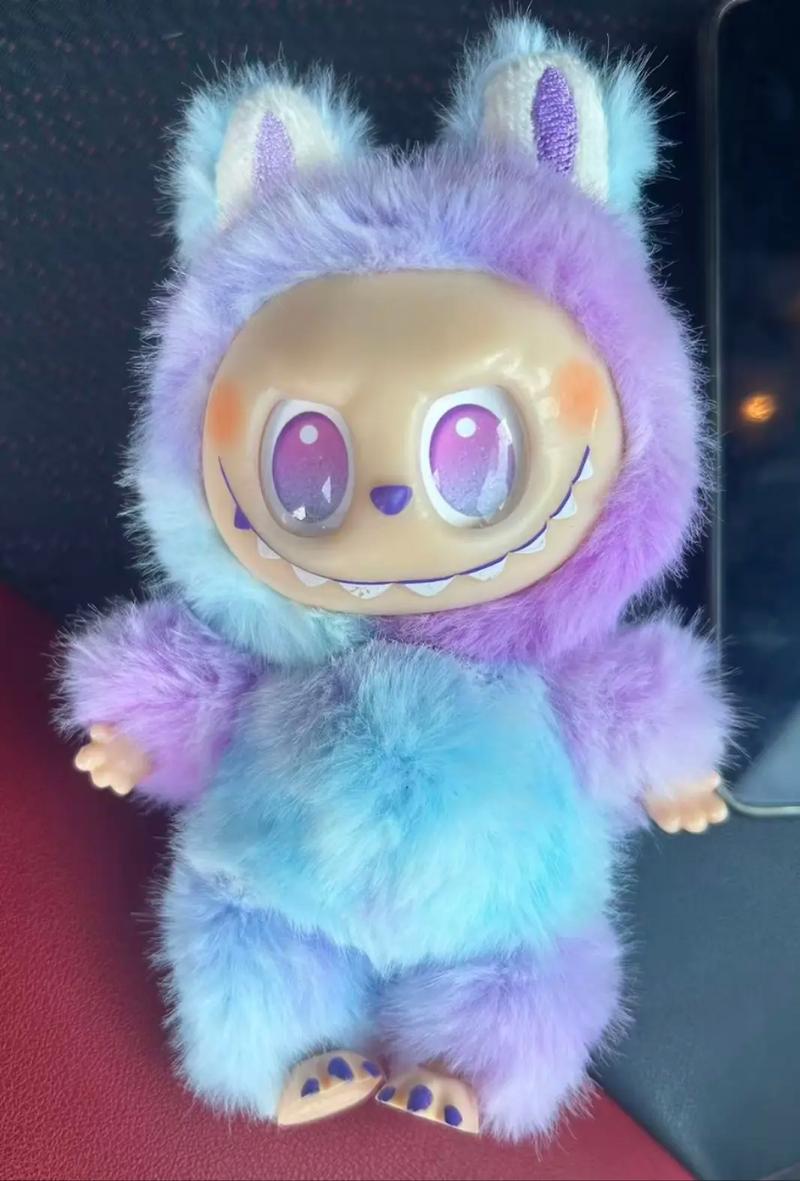
From Bangkok streets to New York subways, from celebrity street style to everyday backpack charms, Labub transcends mere trendy collectibles to evolve into a global cultural icon. It embodies the rise of Chinese original IP, proving that “cultural export” can begin with an “ugly-cute” little creature. More profoundly, it symbolizes young people’s yearning for personalized expression—in this era of rampant standardization, Labubu declares with its sharp teeth and smile: true charm stems from the harmonious unity of inner qualities and outward behavior.
As Long Jiasheng wrote in his creative notes: “Labubu is a gift for all ‘imperfect souls.’” Perhaps this is the ultimate secret to its global popularity: in this uncertain world, we all need a creature with sharp teeth yet a warm smile to accompany us as we bravely embrace our true selves.