is labubu demonic
Is labubu demonic? That question has surfaced in online forums, parenting groups, and pop culture discussions across North America. Some parents express concern over the character’s origins and design, while others dismiss the idea as baseless fear. Is labubu demonic claims often stem from misunderstandings or cultural misinterpretations. The character known as Labubu first gained…
Is labubu demonic? That question has surfaced in online forums, parenting groups, and pop culture discussions across North America. Some parents express concern over the character’s origins and design, while others dismiss the idea as baseless fear. Is labubu demonic claims often stem from misunderstandings or cultural misinterpretations.
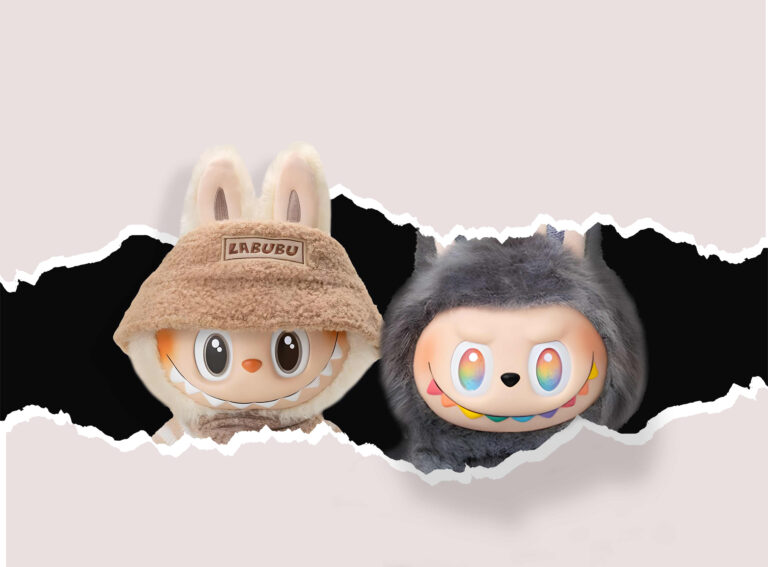
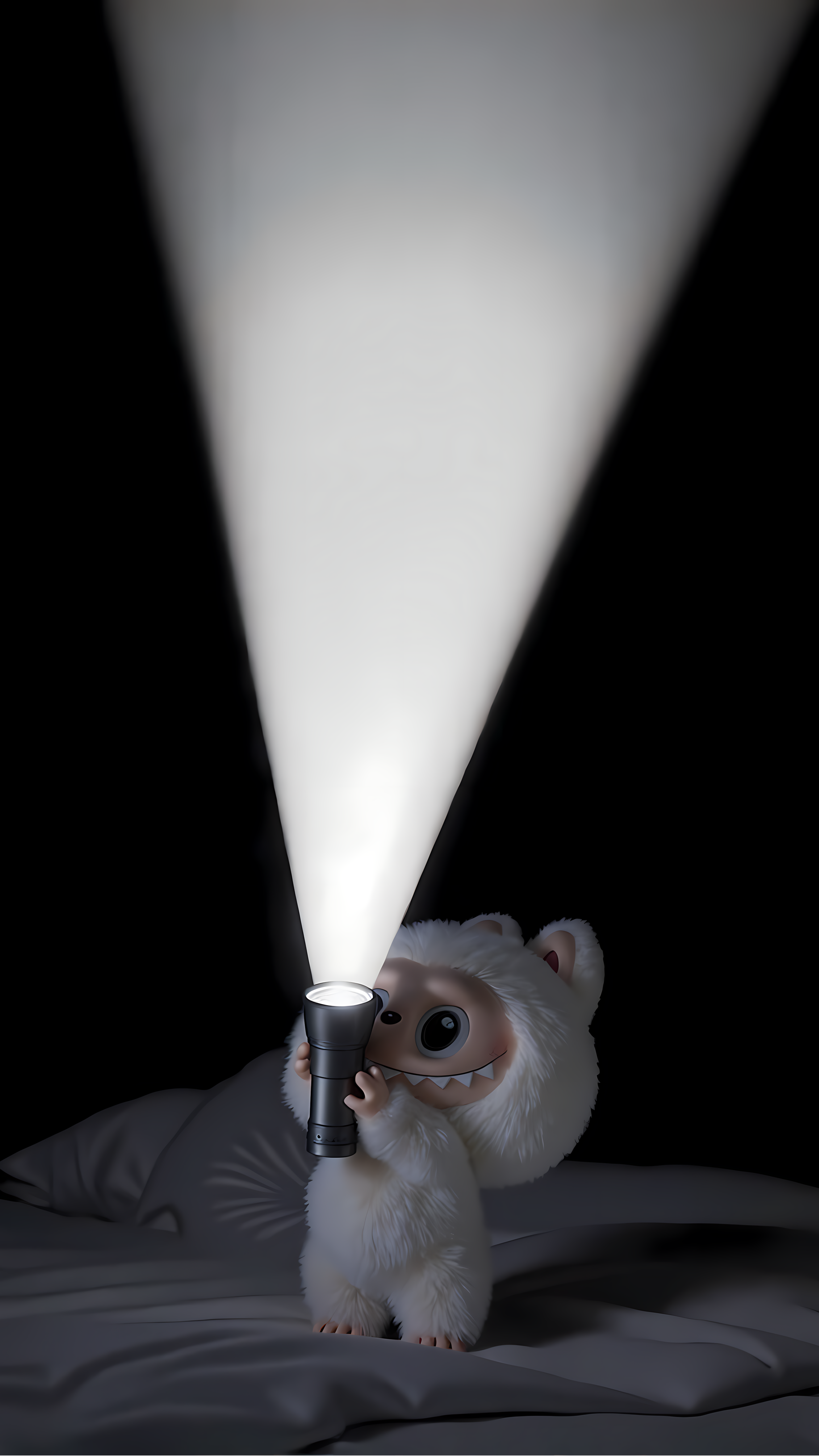
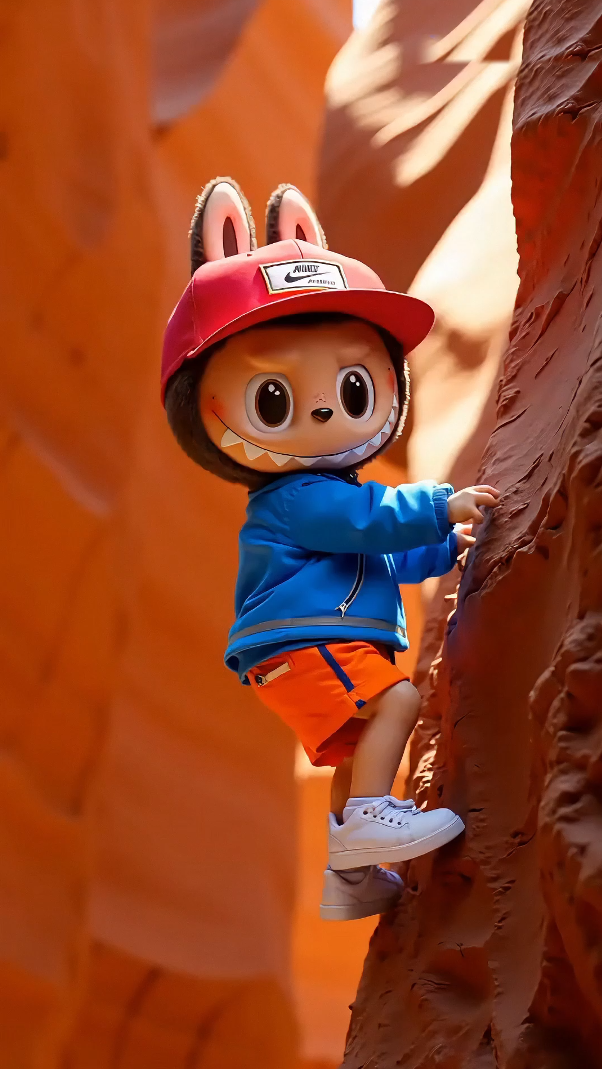
The character known as Labubu first gained attention through collectible art toys. Its wide eyes, sharp teeth, and impish grin stand out in a market full of whimsical figures. While some see playful mischief, others interpret those features as sinister. Is labubu demonic? For many, the answer lies in personal perception rather than fact.
Cultural context plays a big role in how characters like Labubu are received. In some East Asian traditions, spirits with exaggerated features represent tricksters, not evil entities. These beings often teach lessons or bring humor. Labeling them as demonic overlooks their symbolic roles. Is labubu demonic? Not in its original cultural framework.
Religious concerns have fueled speculation. Certain Christian communities scrutinize imagery for perceived occult symbolism. Sharp claws, odd proportions, and fantasy themes can trigger alarm. But experts in religious studies argue that fictional designs don’t equate to spiritual threats. Is labubu demonic? Only if one assigns it such meaning.
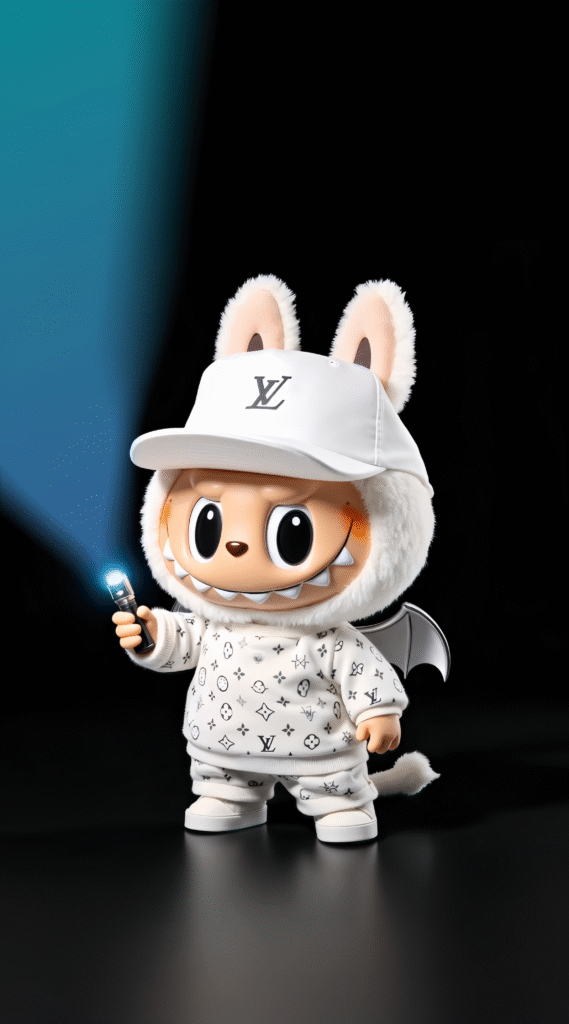
Psychologically, humans are wired to detect faces and assign intent—especially in ambiguous expressions. Labubu’s grin might read as menacing to some, joyful to others. This phenomenon, called pareidolia, explains why shadows look like monsters. Is labubu demonic? Our brains may be tricking us into seeing danger where none exists.
Children’s reactions vary widely. Some kids adore Labubu, treating it like a pet or imaginary friend. Others avoid it, unsettled by its appearance. Parents report no behavioral changes linked to ownership. Is labubu demonic influence unsupported by child psychologists. Emotional responses depend on temperament, not inherent evil.
Internet rumors amplify fears. Viral posts claim Labubu promotes dark rituals or connects to underground cults. These stories lack evidence and often trace back to satire sites. Misinformation spreads faster than facts. Is labubu demonic myths thrive in echo chambers, not reality.
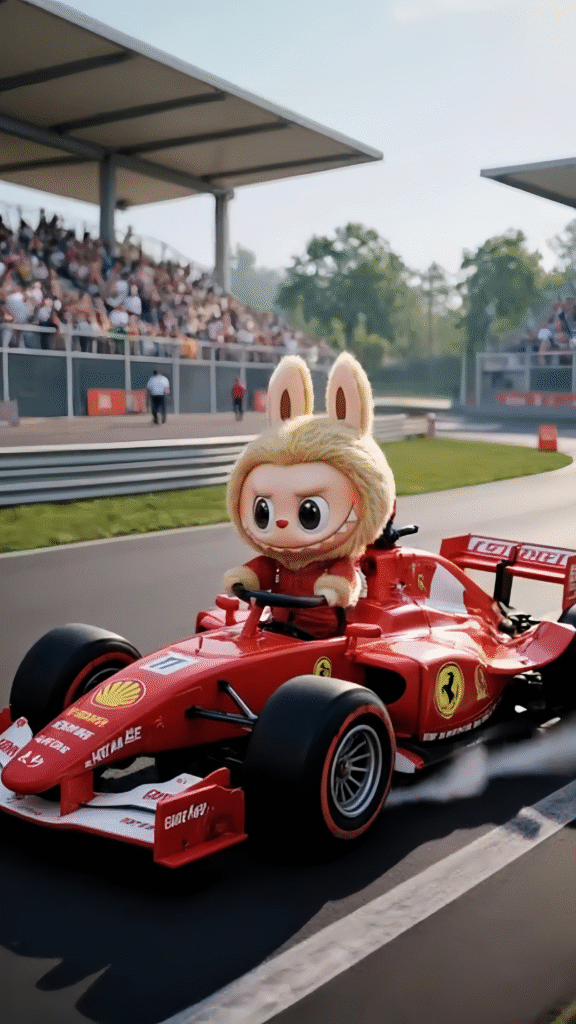
Artists who create such figures emphasize creativity over controversy. They draw inspiration from folklore, dreams, and surrealism. Their goal is expression, not indoctrination. Collectors appreciate the craftsmanship and storytelling. Is labubu demonic accusations miss the artistic intent entirely.
Pop culture is full of similar characters—think of Gizmo’s mischievous cousin Stripe from Gremlins, or the Pale Man in Pan’s Labyrinth. These aren’t labeled demonic; they’re seen as part of narrative imagination. Why single out Labubu? Is labubu demonic debate may reflect deeper anxieties about unfamiliar aesthetics.
Merchandise featuring Labubu appears in mainstream stores and online marketplaces. It’s marketed as quirky decor or limited-edition art, not spiritual paraphernalia. Retailers face no bans or warnings. Is labubu demonic claims haven’t led to regulatory action, suggesting official skepticism.
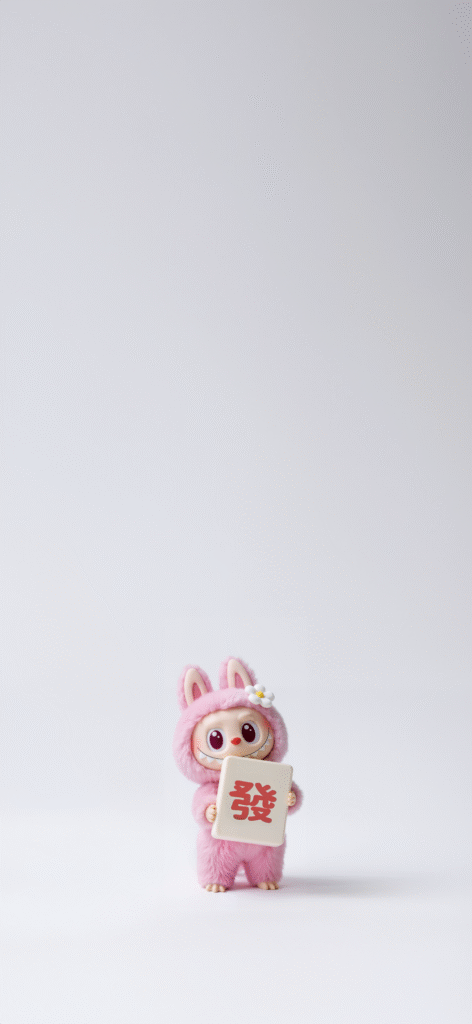
Parents who allow Labubu toys report using them as conversation starters. They discuss feelings, fears, and art interpretation with their kids. This approach builds emotional intelligence. Is labubu demonic questions become teaching moments, not sources of dread.
Societal trends show increasing sensitivity to symbolic content. From book challenges to toy controversies, moral panics recur every generation. Today’s “dangerous” figure was yesterday’s misunderstood mascot. Is labubu demonic fears may fade like past scares over Dungeons & Dragons.
Some collectors value rarity and subculture appeal. Labubu represents underground art movements that challenge mainstream norms. Its edge comes from rebellion, not malevolence. Is labubu demonic interpretations ignore its role in creative resistance and self-expression.
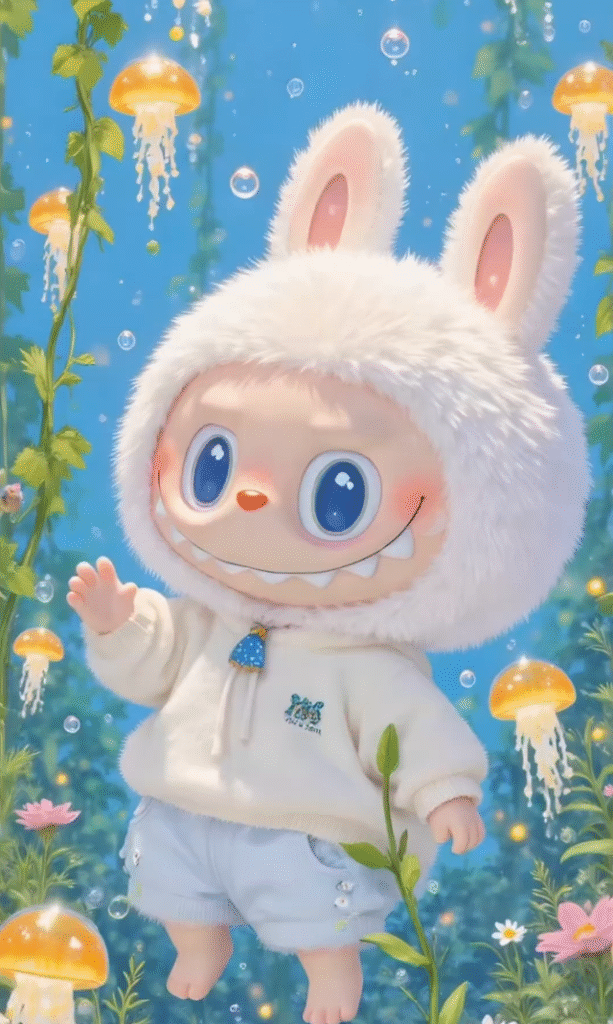
Therapists working with anxiety note that assigning evil traits to inanimate objects can reflect internal struggles. Projecting fear onto a figurine may signal unresolved stress. Is labubu demonic fixation could be a symptom, not a valid critique of the object itself.
Media literacy is key. Understanding satire, parody, and artistic exaggeration helps separate fiction from threat. Educators encourage critical thinking when encountering strange imagery. Is labubu demonic beliefs weaken when context is provided.
No documented cases link Labubu to harmful behavior. Unlike symbols tied to real-world extremism, it lacks ideological baggage. Researchers find zero correlation between owning such toys and aggression. Is labubu demonic allegations rest on emotion, not data.
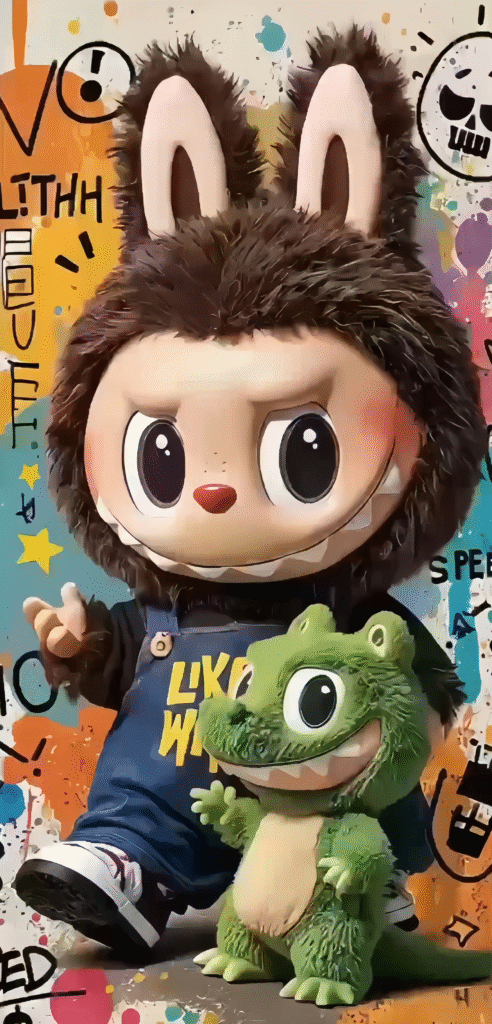
In multicultural societies, exposure to foreign designs requires openness. What seems odd in one culture may be ordinary in another. Dismissing Labubu as demonic risks cultural insensitivity. Is labubu demonic assumptions often stem from ignorance, not investigation.
Fandoms surrounding characters like Labubu focus on community and creativity. Fans share custom paintings, stories, and plush versions. Their engagement is positive and collaborative. Is labubu demonic narratives clash with the actual user experience.
Even within skeptical circles, debates continue. Some argue that intention doesn’t override impact—if it frightens people, it should be reconsidered. Others defend artistic freedom. Is labubu demonic discourse highlights tension between safety and expression.
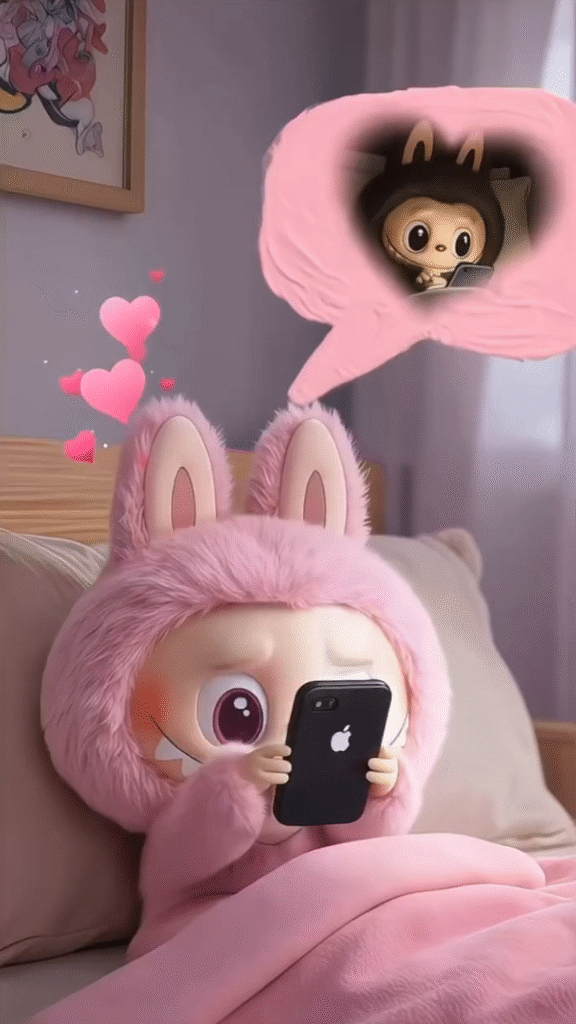
Holiday displays sometimes feature Labubu alongside skeletons and ghosts. In these contexts, it’s clearly part of seasonal fun, not worship. Treating it as demonic misreads the intent. Is labubu demonic readings confuse costume with conviction.
Online polls show most people view Labubu as harmless. A vocal minority expresses discomfort, but few demand bans. Public opinion leans toward tolerance. Is labubu demonic concerns remain niche, not widespread.
Art schools use figures like Labubu to teach design principles—contrast, exaggeration, emotional tone. Students analyze what makes a character feel eerie or cute. Is labubu demonic qualities are studied as technique, not theology.
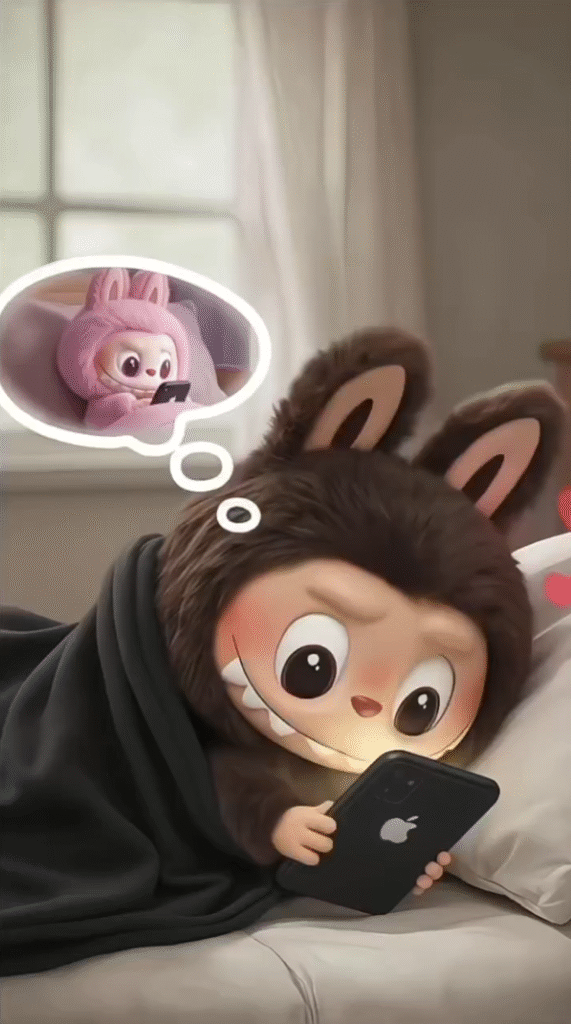
Conventions celebrate these creations with panels and exhibits. Attendees cosplay as Labubu-inspired characters, embracing the bizarre. Joy, not fear, dominates these spaces. Is labubu demonic ideas rarely surface in fan communities.
Ultimately, labeling any fictional being as demonic requires theological justification. Major religious institutions haven’t issued warnings about Labubu. Without doctrinal basis, is labubu demonic remains a personal opinion, not doctrine.
Humor also defuses tension. Memes depict Labubu sipping tea or doing yoga, stripping away imagined menace. Laughter reshapes perception. Is labubu demonic once seemed plausible, now feels absurd to many.
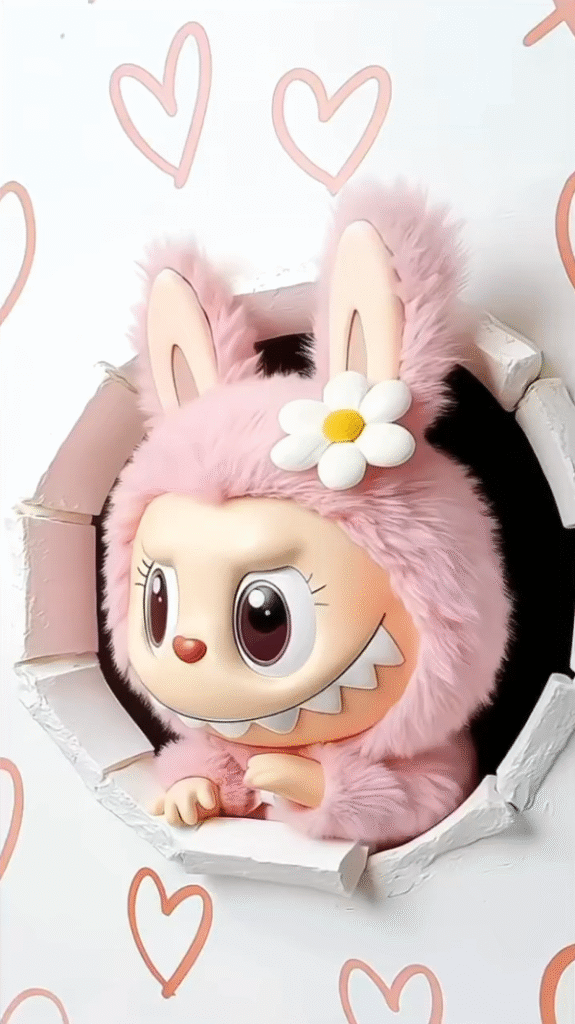
As new generations grow up with diverse imagery, rigid categories blur. Kids distinguish play from belief effortlessly. Is labubu demonic confusion may belong to an older mindset struggling with change.
There’s no denying Labubu looks unusual. But strangeness doesn’t imply evil. Throughout history, innovation was once called demonic—electricity, photography, even cartoons. Is labubu demonic fear fits a familiar pattern of resisting the new.
Experts in childhood development affirm that imaginative play with quirky figures supports cognitive growth. Suppressing curiosity does more harm than exposure. Is labubu demonic restrictions could hinder learning, not protect it.
Social media algorithms favor extreme takes. Nuanced views get less attention than “This toy is SATANIC!” headlines. That skews public perception. Is labubu demonic stories spread because outrage sells, not because they’re true.
In therapy settings, clients sometimes bring symbolic objects to represent inner conflicts. A therapist wouldn’t label the object itself as evil. Similarly, is labubu demonic judgment misses the point—it’s what people project that matters.
Museums of contemporary art have displayed works featuring Labubu-like creatures. Curators describe them as commentary on consumerism or identity. Is labubu demonic readings oversimplify complex artistic messages.
Even critics admit there’s no violent imagery associated with Labubu. It doesn’t promote harm or hate. Concerns are purely aesthetic or spiritual. Is labubu demonic status hinges on belief, not observable behavior.
Parents are advised to talk, not ban. Open dialogue helps children process fear. Telling them “this is just art” empowers them. Is labubu demonic panic diminishes when families communicate.
In the end, is labubu demonic isn’t a question with a universal answer. It depends on worldview, upbringing, and exposure. What terrifies one person delights another. Respect for difference matters more than consensus.
Fear of the unknown is natural. But progress comes from inquiry, not rejection. Before calling something demonic, ask: What am I really afraid of? Is labubu demonic, or is it a mirror reflecting our own unease?