
How to Tell If a Labubu Is Real
How to Tell If a Labubu Is Real: A North American Collector’s Guide to Authenticity For collectors in North America, the thrill of acquiring a Labubu figure is often tempered by the fear of counterfeits. With the character’s skyrocketing popularity, fake Labubu toys have flooded online marketplaces, making it crucial to know how to tell if a Labubu is real….
How to Tell If a Labubu Is Real: A North American Collector’s Guide to Authenticity
For collectors in North America, the thrill of acquiring a Labubu figure is often tempered by the fear of counterfeits. With the character’s skyrocketing popularity, fake Labubu toys have flooded online marketplaces, making it crucial to know how to tell if a Labubu is real. This guide equips you with the tools to distinguish genuine Labubu figures from imitations, ensuring your collection remains authentic and valuable.
1. The Rise of Counterfeit Labubu Figures: Why Authenticity Matters
The demand for Labubu in North America has surged in recent years, driven by social media hype, limited-edition releases, and collaborations with artists. Unfortunately, this popularity has attracted counterfeiters who produce knockoff versions of the beloved character. These fakes often lack the quality, detail, and cultural significance of authentic Labubu figures, diluting the collector’s experience.
Learning how to tell if a Labubu is real isn’t just about protecting your investment—it’s about preserving the integrity of the art. Authentic Labubu figures are designed by Kasing Lung, the character’s creator, and produced under strict quality control. Counterfeits, meanwhile, are mass-produced with inferior materials, often missing key design elements.
2. Packaging and Labeling: The First Clue
One of the easiest ways to determine how to tell if a Labubu is real is by examining the packaging. Authentic Labubu figures come in branded boxes with clear logos, serial numbers, and licensing information. Look for:
- Official branding: Genuine Labubu packaging features the artist’s name (Kasing Lung) and the The Monsters series logo.
- Serial numbers: Many limited-edition Labubu figures include unique serial numbers on the box or the figure itself.
- Quality of materials: Authentic boxes are sturdy and printed with high-resolution graphics. Fakes often use flimsy cardboard and blurry images.
Counterfeit Labubu packaging may mimic these elements but will likely have spelling errors, inconsistent fonts, or missing details. For example, a fake box might say “Labubu” in a generic font instead of the stylized logo used by the official brand.
3. Paint and Color Quality: Spotting the Differences
Authentic Labubu figures are painted with precision, using high-quality materials that resist chipping and fading. Counterfeits, however, often exhibit:
- Sloppy paint jobs: Look for uneven lines, smudged colors, or misaligned details. Genuine Labubu figures have crisp, clean edges.
- Faded or off-color hues: Fakes may use cheaper dyes, resulting in dull or inaccurate colors. For instance, a real Labubu’s white fur should be bright and consistent, while a fake might appear yellowish or patchy.
- Over-spray or bleeding: Poorly applied paint may bleed into adjacent areas, a common issue in counterfeit Labubu figures.
To test this, use a magnifying glass to inspect the figure’s details. Authentic Labubu toys will have smooth, even finishes, while fakes may show visible brushstrokes or rough textures.

4. Material and Weight: Feel the Difference
The materials used in authentic Labubu figures contribute to their durability and heft. Genuine Labubu toys are made from high-grade vinyl or resin, giving them a substantial feel. Counterfeits, on the other hand, often use lightweight plastic that feels hollow or flimsy.
When holding a Labubu figure, ask yourself:
- Does it feel solid and well-balanced?
- Is the material smooth to the touch, or does it have a cheap, plasticky texture?
- Does the figure emit a strong chemical odor (a sign of low-quality materials)?
Authentic Labubu figures are designed to withstand handling and display, while fakes may warp or crack over time.
5. Joints and Articulation: Movement Matters
Many Labubu figures feature articulated joints, allowing for poseability. Authentic versions have smooth, durable hinges that move without resistance. Counterfeits, however, often have stiff or loose joints that break easily.
To check this:
- Gently bend the figure’s limbs. Authentic Labubu toys should move smoothly and hold poses.
- Listen for creaking or grinding noises, which indicate cheap hinges.
- Inspect the joints for gaps or misalignment, common in fake Labubu figures.
6. The Eyes Have It: Detailing Matters
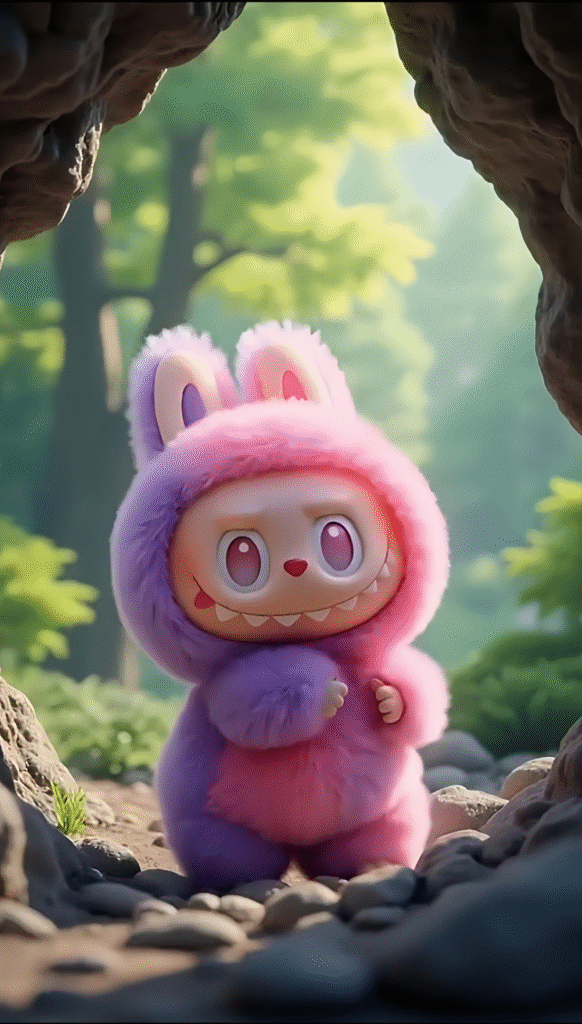
Labubu’s expressive eyes are a hallmark of its design. Authentic figures feature hand-painted or sculpted eyes with intricate details, such as glossy finishes or layered colors. Counterfeits often have flat, painted-on eyes that lack depth.
Look for:
- Reflective surfaces: Genuine Labubu eyes should have a slight shine, mimicking real eyes.
- Symmetry: Authentic figures have perfectly aligned eyes, while fakes may appear lopsided.
- Layered colors: Some Labubu variants use multiple shades to create dimension. Fakes typically use a single flat color.
7. Buying from Reputable Sources: Avoiding Scams
One of the most reliable ways to ensure your Labubu is real is by purchasing from authorized retailers. In North America, this includes:
- Official toy stores: Chains like Target, Hot Topic, and Barnes & Noble often carry licensed Labubu merchandise.
- DesignerCon and comic conventions: These events feature vendors vetted by organizers, reducing the risk of counterfeits.
- Online marketplaces with buyer protection: Platforms like eBay and Mercari offer authentication services for high-value items.
Avoid buying Labubu figures from unverified sellers on social media or discount websites. If a deal seems too good to be true, it probably is.
8. Serial Numbers and Certificates of Authenticity
Some limited-edition Labubu figures come with serial numbers or certificates of authenticity (COAs). These documents verify the figure’s legitimacy and can be cross-referenced with the manufacturer’s records.
To verify:
- Check the serial number against the official Labubu database (if available).
- Ensure the COA includes the artist’s signature, holographic stickers, or watermarks.
- Be wary of generic certificates or numbers that don’t match the figure’s design.
9. Community Verification: Leveraging Collector Knowledge
The Labubu collector community in North America is a valuable resource for authenticating figures. Online forums, Reddit groups, and social media pages dedicated to Labubu often have experts who can spot fakes.
Before purchasing a Labubu figure, consider:
- Posting photos in collector groups for feedback.
- Comparing your figure to verified images in official catalogs.
- Asking sellers for detailed photos of packaging, joints, and paintwork.
10. Price as an Indicator: If It’s Cheap, It’s Probably Fake
Authentic Labubu figures, especially limited editions, command premium prices. If a seller offers a Labubu figure at a fraction of its market value, it’s likely a counterfeit.
Research average prices for genuine Labubu toys before buying. While discounts exist, be suspicious of deals that seem unrealistic. Remember: quality Labubu figures are an investment, not a bargain.
Conclusion: Protecting Your Collection
Knowing how to tell if a Labubu is real is essential for any collector in North America. By examining packaging, paint quality, materials, and articulation, and by buying from reputable sources, you can safeguard your collection against fakes.
The allure of Labubu lies in its artistry, creativity, and cultural significance. Authentic figures honor the artist’s vision, while counterfeits undermine it. Whether you’re a seasoned collector or a newcomer, mastering these authentication techniques ensures your Labubu collection remains genuine, valuable, and cherished.