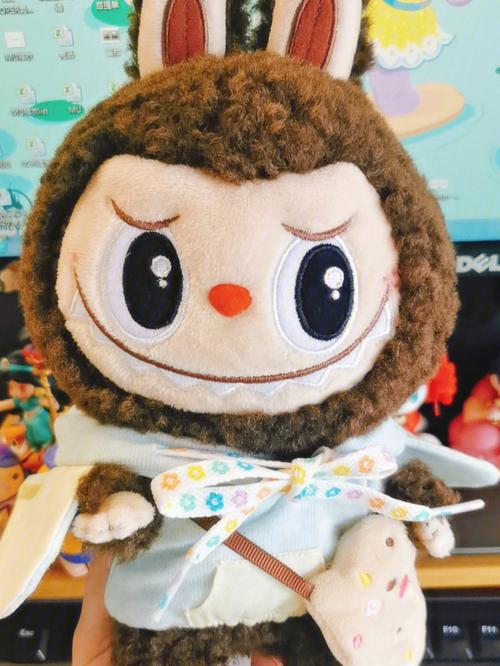
How did LABUBU suddenly become so popular?
How did LABUBU suddenly become so popular? The global phenomenon of LABUBU is the result of multiple factors converging, spanning design innovation, marketing strategies, cultural resonance, and supply chain advantages. Here’s an analysis of its core reasons for going viral: 1. Unique “ugly-cute” design subverts traditional aesthetics LABUBU’s signature features—pointed ears, round eyes, nine saw-like teeth, and…
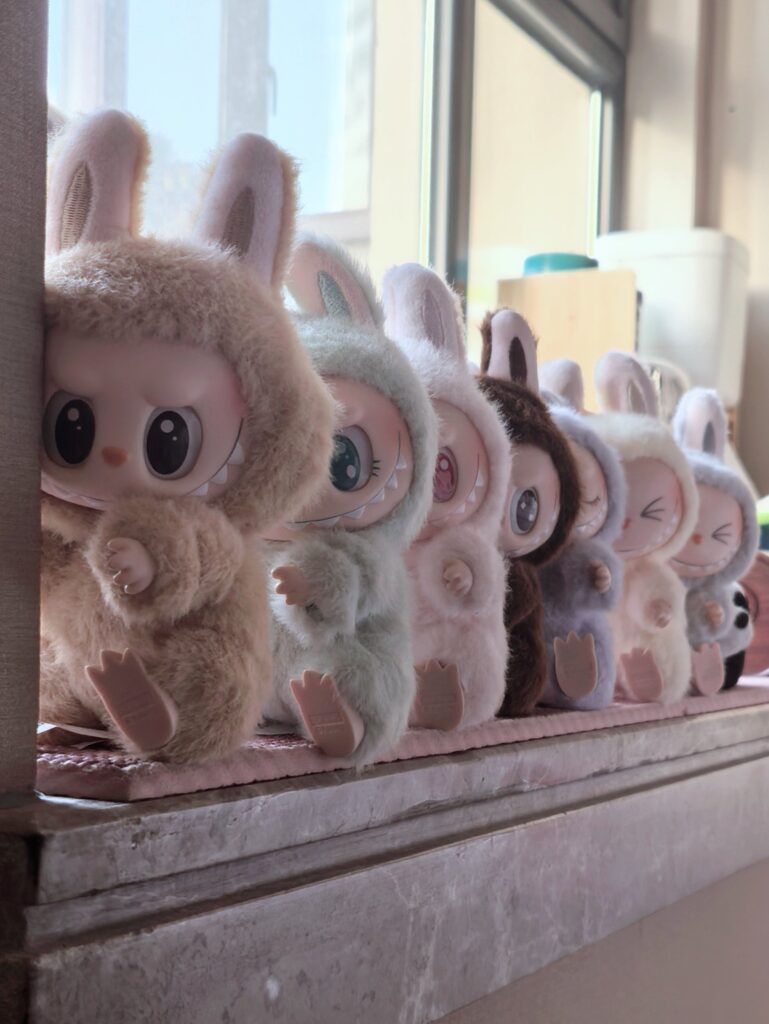
How did LABUBU suddenly become so popular? The global phenomenon of LABUBU is the result of multiple factors converging, spanning design innovation, marketing strategies, cultural resonance, and supply chain advantages. Here’s an analysis of its core reasons for going viral:
1. Unique “ugly-cute” design subverts traditional aesthetics
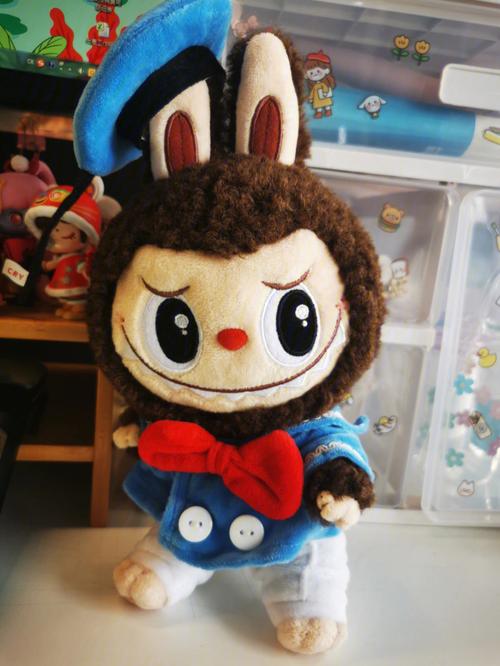
LABUBU’s signature features—pointed ears, round eyes, nine saw-like teeth, and a mischievous grin—deconstruct the conventional “perfectly adorable” aesthetic pursued by trendy toys. This “ugly yet adorable” image resonates with contemporary youth seeking individuality and rejecting conformity, becoming an emotional projection for the “imperfect generation.”
Designer Long Jiasheng employs “cognitive dissonance” techniques—such as pairing monstrous traits with goofy expressions—to grant Labubu extraordinary recognizability, making it an emotionally resonant figure that transcends cultural boundaries.
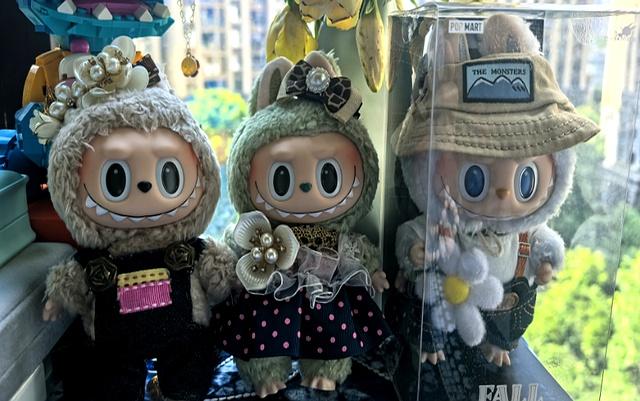
2. Blind Box Mechanics and Addictive Consumption Patterns
Pop Mart’s blind box sales strategy transforms purchasing into a “box-drawing game,” leveraging uncertainty to fuel consumer curiosity, collecting urges, and repeat purchases. The scarcity of hidden variants further fuels users’ possessive desires, even spawning premium resale markets.
The emotional rollercoaster of blind box unboxing (surprise or disappointment) releases dopamine, creating a gambling-like psychological dependency. This “emotional energy pack” aligns with fast-paced lifestyles, serving as a stress-relief mechanism for youth.
3. Celebrity Endorsements and Social Media Amplification
International stars like BLACKPINK’s Lisa, David Beckham, and Rihanna spontaneously promoted the dolls through social media, sparking global fan imitation. For instance, Lisa’s photo post garnered 2.3 million likes, directly fueling a buying frenzy in Southeast Asia.
Labuboo dolls have acquired “social currency” status. Users share unboxing videos and customization projects (secondary creations) on social platforms, fostering community recognition and viral discussions that amplify its influence.
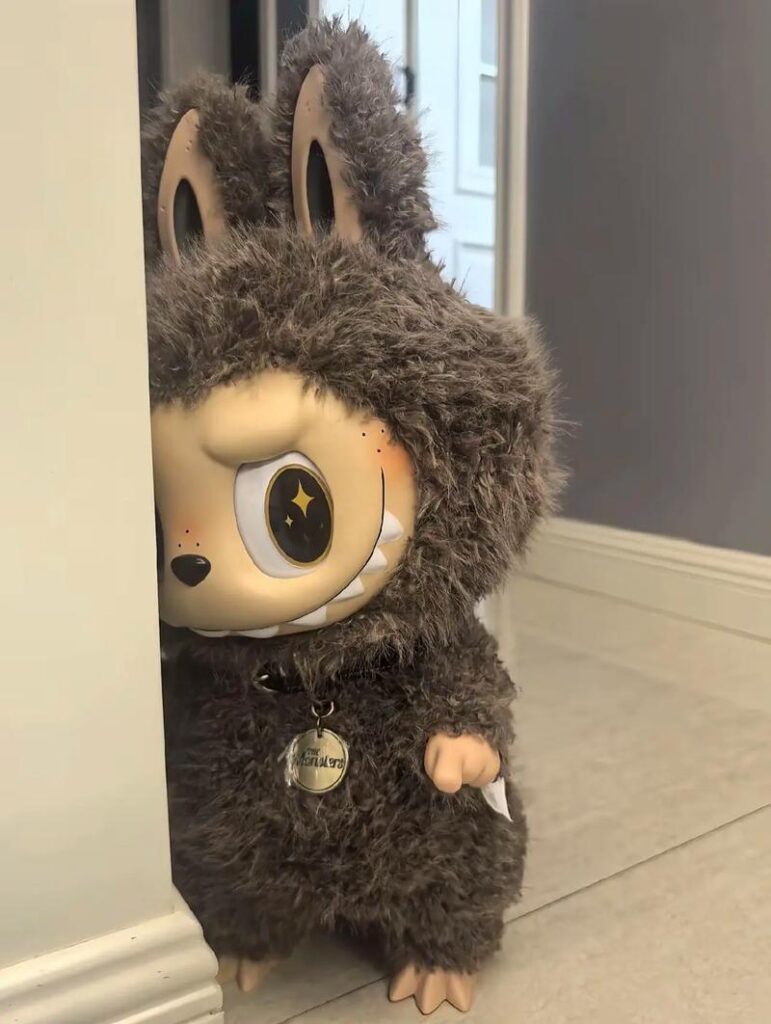
4. Deep Integration of Emotional Value and Identity
Labuboo serves as a medium for young people to express their personal values. Its “imperfect yet unique” image resonates with Gen Z’s pursuit of authenticity and rejection of labels, positioning it as “another self” or an emotional refuge.
A McKinsey survey reveals that 64% of Chinese consumers prioritize “emotional fulfillment” over “status symbols.” Labuboo fulfills this need by offering unconditional companionship.
5. Globalization Strategy for Cultural Symbols
Pop Mart bridges cultural divides by launching region-exclusive editions (e.g., Thai traditional costume version, Singapore Merlion version). Simultaneously, Labubu blends Nordic elf-inspired aesthetics with Eastern craftsmanship, embodying both localization and international appeal.
Its success also benefits from China’s manufacturing supply chain advantages, with seamless end-to-end coordination from design to production ensuring rapid global distribution and quality control.
6. Long-Term IP Cultivation and Iterative Innovation
How did Labubu unexpectedly go viral? Labubu’s rise wasn’t overnight—it underwent a decade of refinement from its 2015 inception to its 2025 breakthrough. Through material innovations (like vinyl plush techniques), character evolution (shifting from “ugly” to “adorably quirky”), and expanding application scenarios (e.g., keychains, bag charms), Pop Mart gradually propelled it from a niche collectible into the mainstream market.
Summary
Labuboo’s success stems from a convergence of “right timing (the rise of emotional consumption), right place (China’s supply chain), and right people (collaborative creation with celebrities and users).” Its core lies in precisely capturing the emotional needs of global youth, elevating collectible toys into a cultural phenomenon through synergistic innovation in design, marketing, and industrial chains.
How did Labuboo suddenly become so popular? Its explosive success is not “sudden” but the result of six core factors: design innovation, blind box mechanics, celebrity influence, localized adaptations, emotional economy, and industrial support. Details follow:
I. Design Innovation: The “Ugly-Cute” Revolution Challenging Aesthetic Hegemony
Rebellious Aesthetics: Designed by Hong Kong artist Long Jiasheng, Labub draws inspiration from the dark elves of Norse mythology, blending Eastern ink-wash techniques to create an “ugly-cute” image featuring pointed ears, nine serrated teeth, and heterochromatic pupils. This unconventional design triggers a psychological “reverse effect”: initially perceived as odd, repeated exposure fosters emotional attachment, aligning with Gen Z’s pursuit of individuality and rejection of standardization.
Character Ethos: Ambiguously moral (playful exterior, kind heart), it champions “embracing imperfection” as an emotional outlet for youth. Its “resigned smile” serves as a mental balm for office workers, while its “ugly-cute” aesthetic resonates with anti-internalization trends.
II. Blind Box Mechanism: An “Addiction Economy” Fueled by Scarcity and Social Virality
Hidden Edition Allure: Employing a blind box model with a “1 in 144 chance” of hidden editions, leveraging uncertainty to drive repeat purchases. Data shows over 60% of U.S. consumers bought 10+ boxes consecutively to complete sets.
Social Currency Attributes: On TikTok, the #LabubuChallenge hashtag surpassed 1 billion views as users shared unboxing videos and collection stories, forming a closed-loop community of “purchase-show-off-exchange.” Limited-edition auctions amplified scarcity—like the mint-green first-generation Labubu fetching a record-breaking ¥1.08 million—spurring secondary market premiums of dozens of times the original price.
III. Celebrity Effect: Global Breakthrough Through Top-Tier Endorsements
Celebrity Demonstration: BLACKPINK’s Lisa carrying it in street style, Beckham’s daughter gifting it to her father, and a Thai princess sporting it at Fashion Week elevated Labubu from toy to fashion icon.
Social Virality: International stars like Rihanna and Halena showcasing Labubu sparked fan imitation trends. For instance, after Lisa shared her LaBuBu, Thailand’s market erupted instantly, with related topics garnering over 1 billion views.
IV. Localized Adaptation: Cross-Cultural “Cultural Hybridization” Strategy
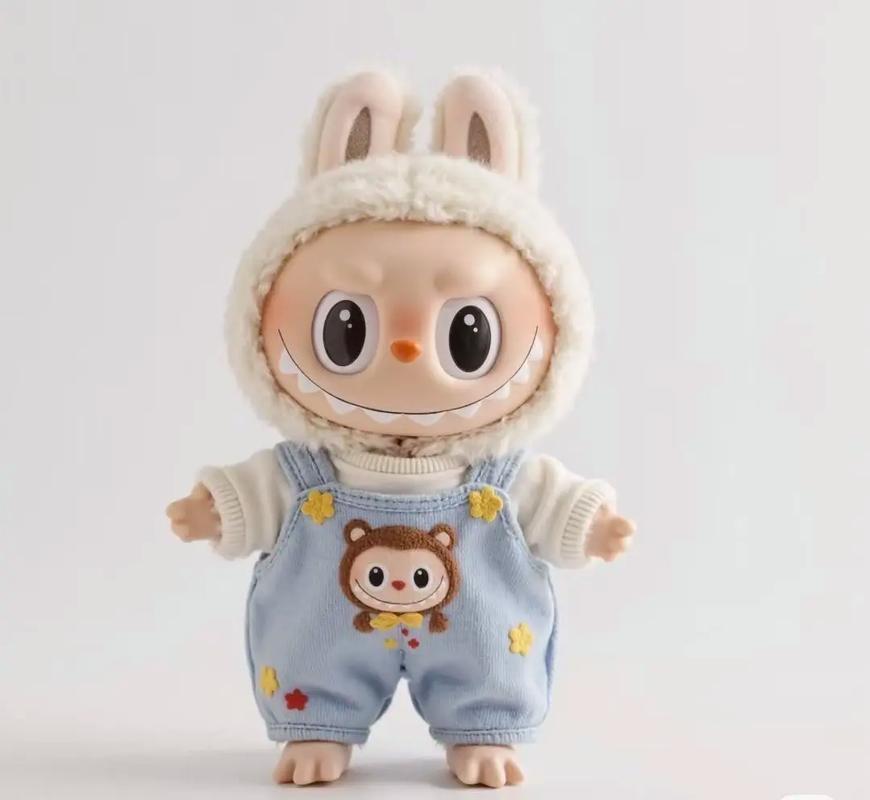
Region-Exclusive Editions: Pop Mart creates localized designs for different regions—like Singapore’s Merlion edition, Thailand’s Songkran Festival limited edition, and France’s Louvre Masterpiece series—reducing cultural barriers and enhancing global resonance.
Cultural Fusion: Labuboo’s “borderless aesthetic” virtual identity helps create culturally consumable products with global relevance. For instance, in Spain it dons a matador’s red cape; in Thailand, it parades along the Chao Phraya River in traditional attire.
V. Emotional Economy: Gen Z’s “Spiritual Meal Replacement”
Emotional Value: Amid high-pressure societies, youth seek “emotional outlets.” Labubu’s “imperfect” persona mirrors young adults battered by life yet stubbornly resilient, becoming their spiritual anchor.
Fan Creation: Players write fan fiction and create stop-motion animations featuring Labubu, projecting themselves through secondary creations. For instance, its “fangs symbolizing stubbornness, bristling fur representing pressure” resonates deeply with audiences.
VI. Industrial Backing: China’s Manufacturing “Hardcore Capabilities”
Supply Chain Advantage: Nearly 85% of China’s collectible toys originate from Dongguan, where 4,000 toy manufacturers and 1,500 supporting factories form a complete industrial chain. Labub’s innovative fusion of vinyl and plush materials is supported by Dongguan factories capable of standalone mold production and rapid mass manufacturing, reducing R&D cycles to 72 hours and enabling global simultaneous releases.
Digital Production: Pop Mart dynamically adjusts production capacity by analyzing real-time global sales data, preventing inventory buildup. Overseas revenue surged 475%-480% YoY in Q1 2025, demonstrating supply chain agility.
Why Did Labubu Suddenly Go Viral? Beyond design, blind box mechanics, and celebrity endorsements, Labubu’s explosive popularity stems from:
I. Artist Credentials and Narrative Depth
Artist Endorsement: Created by Hong Kong artist Long Jiasheng—a renowned picture book illustrator and European Picture Book Award winner—Labubu inherits his signature fantasy-gothic style, granting the character high visual recognition.
Storyworld Design: Long Jiasheng crafted a comprehensive fairy realm narrative for Labubu and its family members (e.g., Tycoco, Zimomo). This narrative depth imbues the characters with soul and complexity, elevating them beyond mere toys and fostering stronger emotional connections and collecting desire among fans.
2. Serialization Strategy and Continuous Innovation
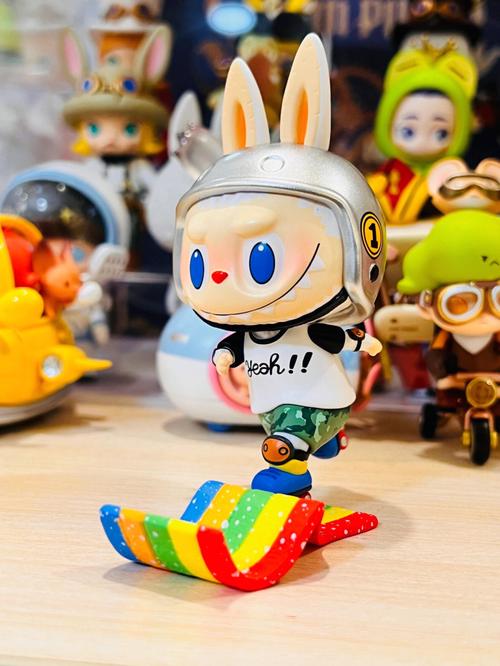
Serialized Development: Pop Mart consistently releases Labuboo in themed series (e.g., Forest Concert, Strawberry, SpongeBob collaboration, Addams Family collaboration, Fruits, Monsters, Dimoo Dreamscape). Each series features unique designs, color schemes, and hidden variants, constantly generating novelty and buzz to sustain IP momentum.
Long-Term Iteration: From the inaugural “Forest Concert” series to the subsequent 3.0 series, Pop Mart and Long Jiaseng continuously refine designs, progressively elevating LaBuBu’s “ugly-cute” persona as a cultural symbol.
III. Limited Edition & Scarcity Strategy
Hidden Variant Design: The “hidden variants” within blind boxes (e.g., “Skull Labubu,” “Strawberry Labubu”) are intentionally rare, fueling collector desire and speculation. This scarcity transforms ownership into a status symbol and social capital, directly driving secondary market activity and price inflation, thereby amplifying brand recognition and appeal.
Limited Releases: Pop Mart meticulously controls the release volume and frequency of popular series, large dolls, and collaboration editions, creating scarcity to sustain market fervor and value.
IV. Omnichannel Marketing and Exposure
Online-Offline Sales Network: Pop Mart’s robust omnichannel network (stores, vending machines, online mall, exhibitions) provides extensive promotional channels for Labub.
Social Media Marketing: Pop Mart excels at leveraging social platforms (Xiaohongshu, Douyin, Weibo, etc.) for campaigns. User-generated content—unboxing videos, doll showcases, and hidden variant reveals—spreads virally, amplifying Labub’s reach.
V. Community Culture and Fan Economy
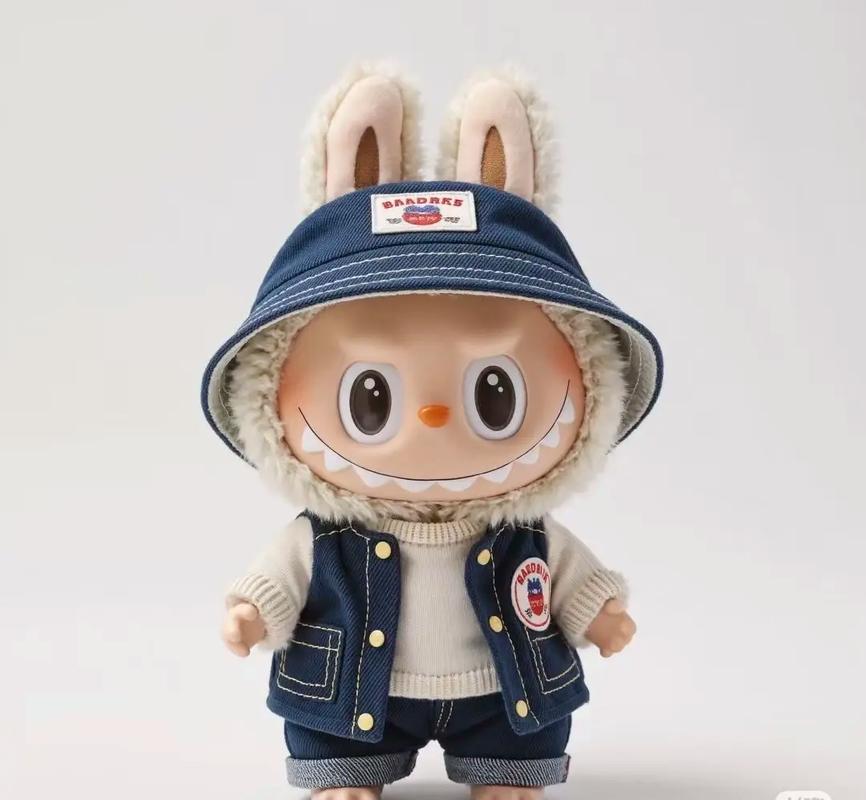
Community Belonging: Labub fans have formed vibrant online communities (e.g., WeChat groups, Weibo super topics, Douban groups). Members exchange tips on capsule draws, share collections, trade dolls, discuss designs, and even organize offline events. This community culture strengthens fans’ sense of belonging and loyalty.
Fan Economy: Fans’ sharing activities themselves serve as free and highly effective advertising for Labuboo. Simultaneously, fan-created derivative content (such as memes, drawings, crafts, and mini-skits) spreads widely across social media, significantly boosting the IP’s penetration and approachability.
VI. Cultural Confidence and Globalization Strategy
Cultural Confidence: Labuboo’s design draws inspiration from Norse mythology while incorporating contemporary youth aesthetics and Eastern elements. This “East-meets-West” creative approach vividly embodies cultural confidence: neither blindly idolizing foreign cultures nor remaining complacent.
Globalization Strategy: Pop Mart actively promotes collaborations between Labub and other renowned IPs (e.g., SpongeBob SquarePants, Harry Potter, Disney, Sanrio, Universal Monsters, The Addams Family), capturing broader consumer attention. Simultaneously, Labuboo has launched localized limited editions in different countries and regions (such as the Singapore Merlion edition, Thai Songkran Festival edition, and Spanish Bullfighter edition), successfully achieving global expansion.