what are labubu dolls
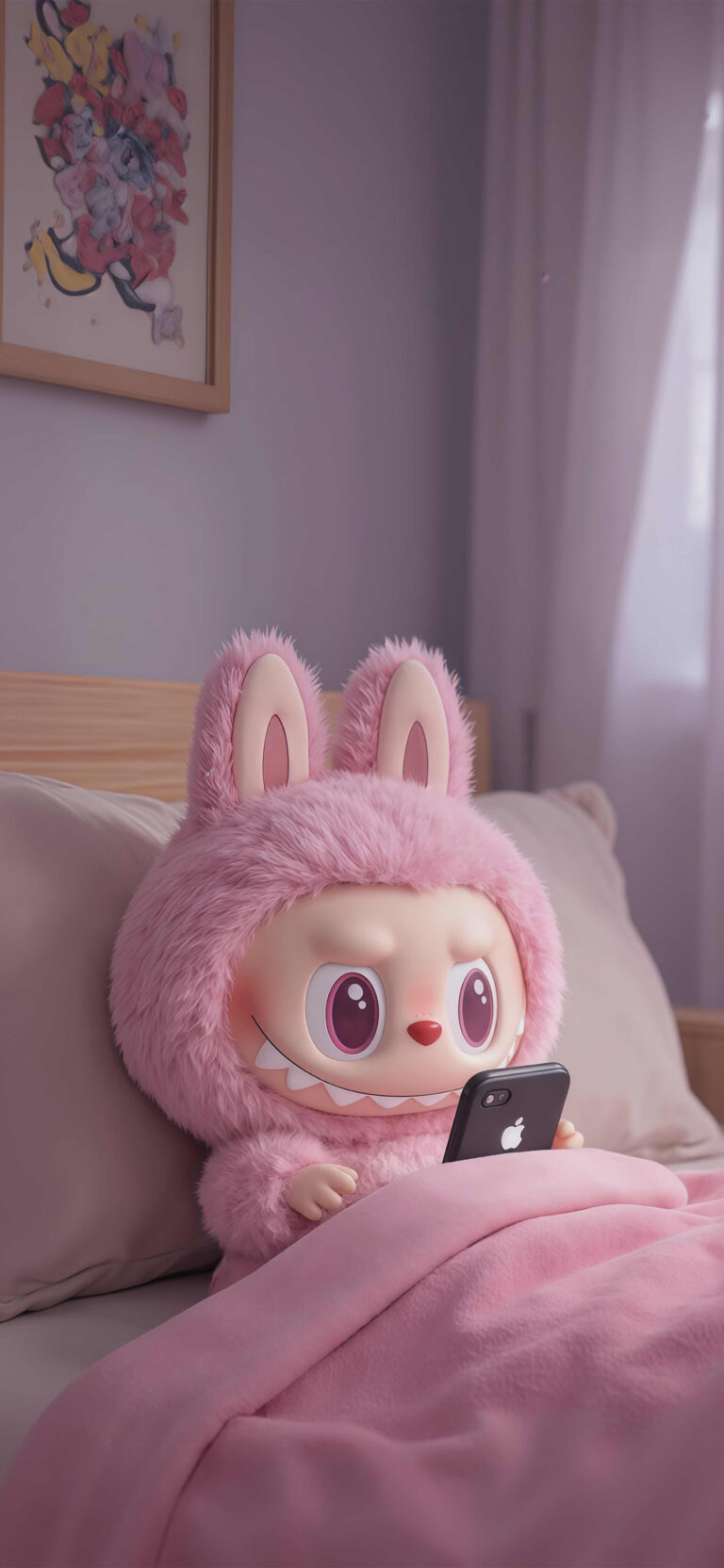
What are labubu dolls? These quirky little creatures have taken North American pop culture by storm, appearing in cafes, social media feeds, and even therapist offices. With their big eyes, mischievous grins, and furry bodies, they’re impossible to ignore. Originally inspired by Asian street art and urban vinyl toy trends, Labubu dolls blend fantasy with…
What are labubu dolls? These quirky little creatures have taken North American pop culture by storm, appearing in cafes, social media feeds, and even therapist offices. With their big eyes, mischievous grins, and furry bodies, they’re impossible to ignore. Originally inspired by Asian street art and urban vinyl toy trends, Labubu dolls blend fantasy with a touch of the absurd.
Their charm lies in their unpredictability. One might have bunny ears, another fangs, and yet another sprouts tiny horns. Each design feels like a character from a dream you can’t quite remember. They’re often released in limited series, making collectors eager to snag rare versions. What are labubu dolls if not modern-day talismans of individuality?
Kids and adults alike find them oddly comforting. Some say they look like forest spirits; others compare them to cartoon gremlins gone soft. Their exaggerated features spark joy without being cutesy. Artists love customizing them, turning blank vinyl into wild expressions of imagination. It’s this creative freedom that keeps the community growing.
Social media has played a huge role in their popularity. Instagram and TikTok are flooded with Labubu photos—posing on bookshelves, tucked into lunchboxes, or starring in stop-motion skits. Hashtags like #labubucollector and #tinyweirdfriends connect fans across continents. What are labubu dolls if not digital-age mascots for the creatively restless?
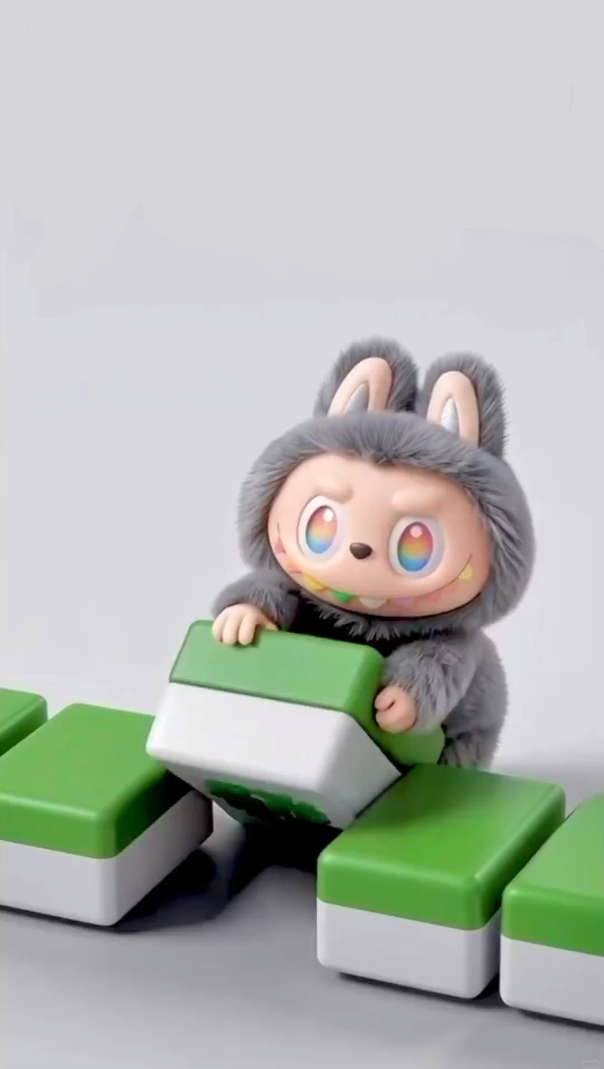
They’ve become symbols of emotional expression. People assign personalities to their dolls, using them as mood indicators or conversation starters. A friend once told me her Labubu “wasn’t feeling social” that day, so it wore a tiny hoodie. It sounds silly, but it made us both laugh—and talk about mental health more openly.
Customization is a major draw. Artists paint intricate patterns, glue on miniature accessories, or even rebuild limbs for dynamic poses. Some turn them into steampunk warriors; others make them look like sushi chefs. The only rule? There are no rules. This DIY spirit echoes punk zine culture, just in plush form.
Limited releases create urgency. When a new series drops, fans scramble to buy before they sell out. Resale prices can skyrocket, especially for glow-in-the-dark or hand-numbered editions. But many collectors prefer trading over paying inflated fees. Online forums buzz with swap requests and wishlist posts every drop season.
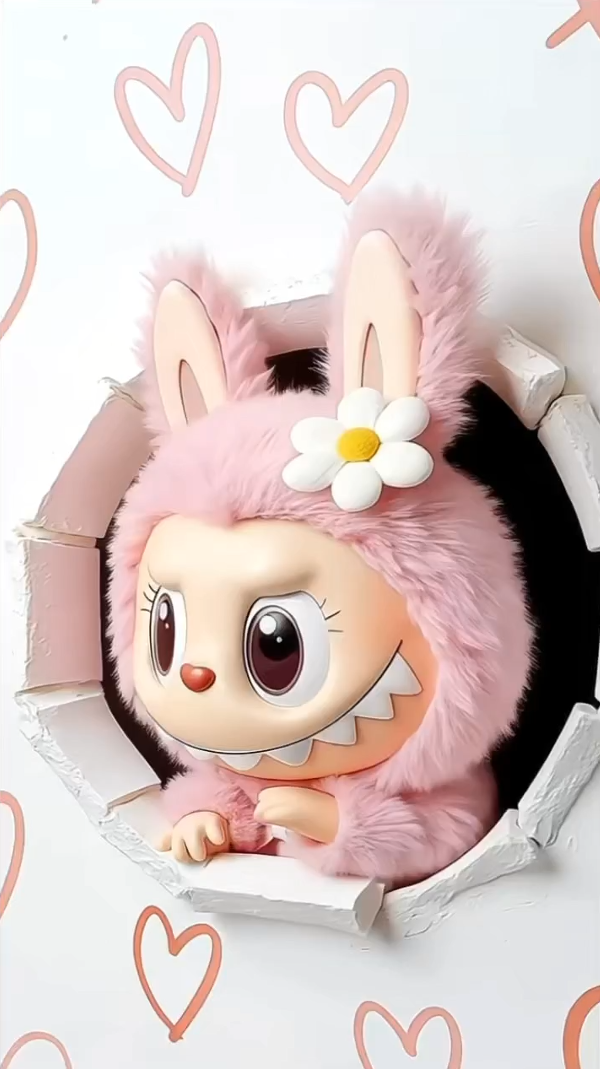
Interestingly, they appeal across age groups. Teens collect them as fashion statements. Adults use them as desk companions. Even retirees have started joining Facebook groups dedicated to Labubu care and display ideas. Their universal design language transcends generational gaps in a way few toys do.
Therapists have noticed their calming effect. Some use Labubu dolls in play therapy, letting children project feelings onto the expressive faces. Others keep them in waiting rooms to ease anxiety. Their whimsical nature disarms tension better than a generic magazine ever could. What are labubu dolls if not tiny therapists with fur?
They’ve also sparked conversations about consumerism. Are they art? Toys? Emotional support objects? The lines blur. Some treat them reverently, storing them in glass cases. Others take theirs on adventures, photographing them at concerts or hiking trails. Both approaches feel valid in this strange little universe.
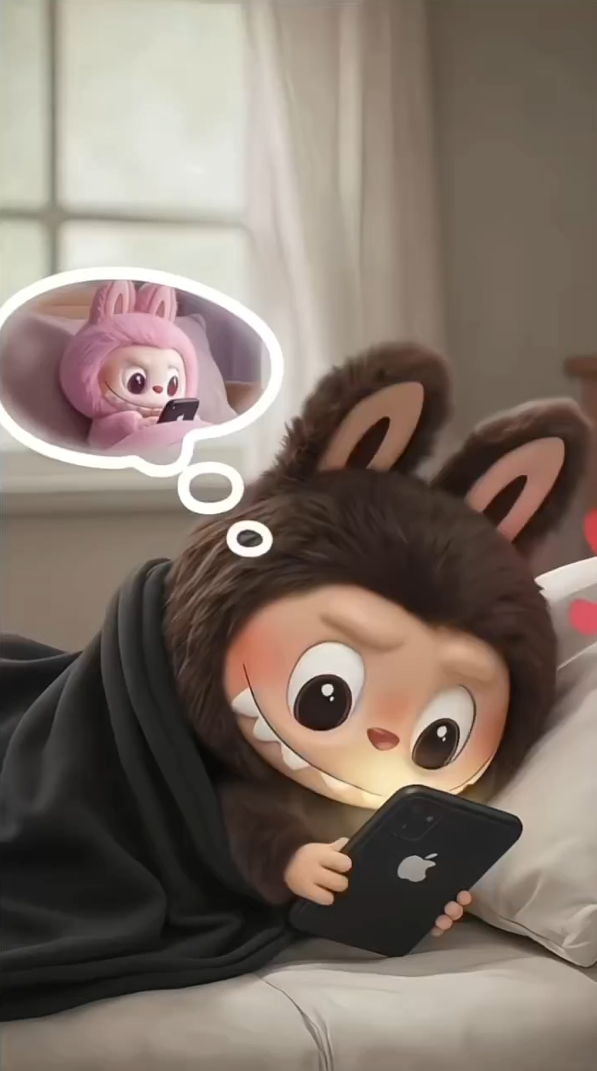
Cultural fusion defines their essence. While rooted in East Asian aesthetics, their themes resonate globally. Mischievous imps appear in European folklore. Furry woodland beings live in Native American stories. Labubu dolls tap into that shared mythic space where animals and humans blur.
Seasonal variations keep things fresh. Halloween editions come with capes and pumpkin buckets. Holiday sets feature reindeer antlers or tiny stockings. Even obscure festivals get nods—like a cherry blossom version with pink petals glued to its head. Collectors love the storytelling behind each release.
The community is surprisingly inclusive. Whether you own one doll or fifty, you’re welcome. Newcomers receive tips on preservation, photography, and where to find upcoming drops. No elitism, just shared excitement. That warmth mirrors early internet subcultures before algorithms took over.
Some skeptics call them overpriced trinkets. But for fans, they represent more: creativity, connection, comfort. You don’t need to spend hundreds to belong. A single Labubu on your nightstand can spark daily smiles. Their value isn’t in price tags but in personal meaning.
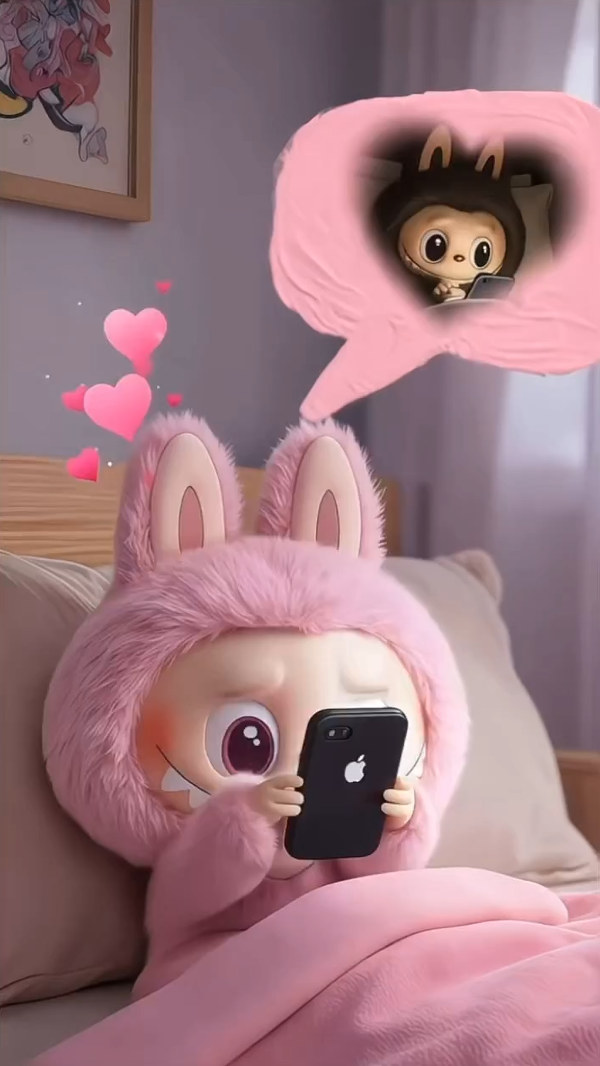
Art shows now feature Labubu-inspired installations. Paintings, sculptures, even performance art reference their iconic look. Museums have begun collecting notable custom pieces. They’re no longer niche—they’re part of a broader movement redefining what collectible art can be.
Even fashion has taken note. Runway looks include Labubu motifs on scarves and handbags. Streetwear brands drop collaborative tees featuring their toothy grins. They’re not just toys anymore—they’re cultural icons with crossover appeal.
Environmental concerns have surfaced, though. Most are made of PVC or similar plastics. A growing number of fans advocate for eco-friendly versions or promote upcycling old dolls into new art. Sustainability is becoming part of the conversation.
Gifting Labubu dolls has become a ritual. Birthday presents, apologies, congratulations—you name the occasion, someone’s probably given a Labubu. Attaching notes like “This one reminds me of you” deepens the bond between object and owner.
Travel adventures are common. People take their Labubus on planes, trains, and road trips. Mini passports, luggage tags, and themed outfits make the journeys official. It’s a playful way to document life while keeping a beloved companion close.
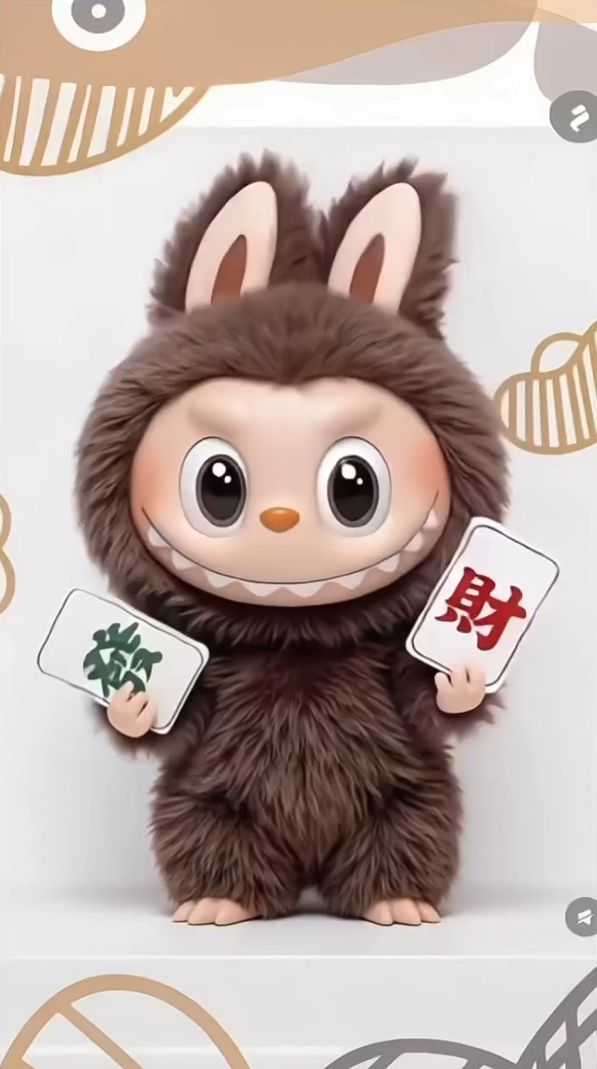
Nighttime routines sometimes include a “Labubu check.” Fans report saying goodnight to their dolls, adjusting blankets or fixing crooked hats. It sounds whimsical, but it’s a grounding ritual—a moment of mindfulness disguised as play.
Dream journals occasionally mention Labubus too. Recurring dreams feature them whispering advice or leading dreamers through forests. Whether symbolic or subconscious, their presence extends beyond waking hours.
Pop culture references keep multiplying. TV characters collect them. Musicians name songs after them. They’ve become shorthand for quirky, offbeat charm in storytelling. Their influence seeps in quietly but persistently.
Even workplaces embrace them. Office desks host Labubus beside monitors. Coworkers trade stories about which doll “got promoted” to a better shelf. They humanize sterile environments in subtle, effective ways.
Pet owners sometimes dress their animals alongside their Labubus. Cats wear matching bandanas; dogs get tiny backpacks. Photos of pets napping with their doll counterparts flood pet communities online.
Storytelling around them grows richer. Fans write short tales, comics, or scripts imagining their Labubu’s secret lives. Some compile these into zines or self-published books. Creativity breeds more creativity in this world.
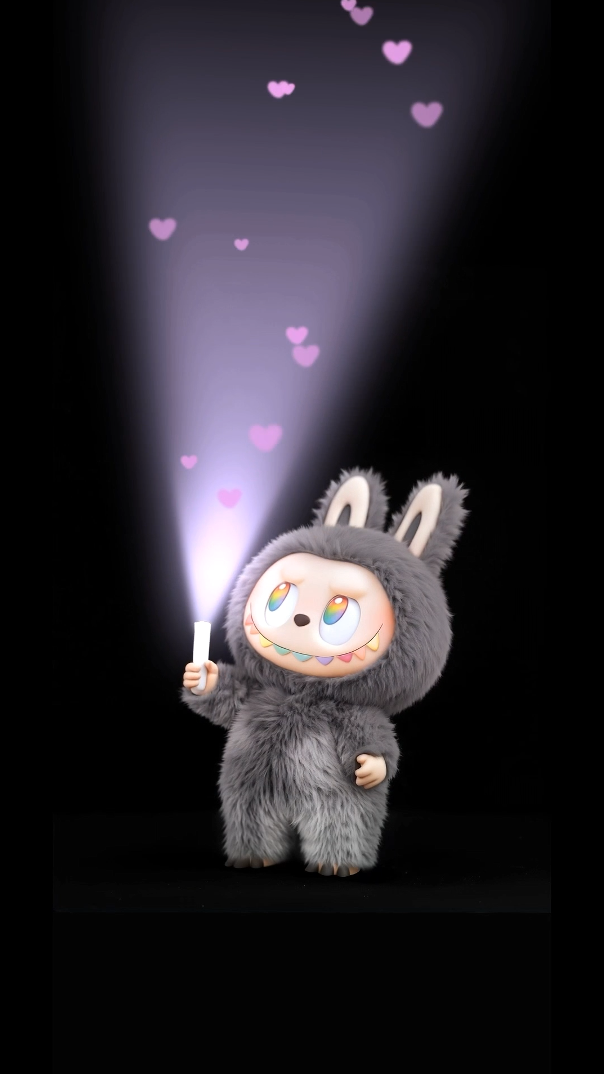
As seasons pass, the question lingers: what are labubu dolls really? Not just objects, but vessels for emotion, identity, and connection. They reflect who we are and who we wish to be—playful, resilient, full of wonder.
They teach us permission to be silly. In a world that prizes productivity, owning a fuzzy goblin-doll feels rebellious. It says, “I choose joy, even when it doesn’t make sense.” That’s powerful.
Looking ahead, their legacy seems secure. Trends fade, but the need for tactile joy remains. As long as people crave whimsy and connection, Labubu dolls will find a home.
Personal Experience & Reflection
I got my first Labubu during a rough winter. A friend handed it to me with a note: “This one fights bad days.” At first, I laughed. But placing it on my desk changed something. Every morning, seeing its lopsided grin reminded me to breathe. It didn’t solve problems—but it softened the edges. Now I have three, each tied to a memory. They’re not just dolls. They’re quiet companions on a noisy journey.