
how to tell if a labubu is fake
How to tell if a labubu is fake starts with understanding what makes authentic ones unique. These collectibles have specific traits that set them apart. When shopping, especially online, it’s easy to get tricked by look-alikes. That’s why knowing how to tell if a labubu is fake matters so much. One of the first things…
How to tell if a labubu is fake starts with understanding what makes authentic ones unique. These collectibles have specific traits that set them apart. When shopping, especially online, it’s easy to get tricked by look-alikes. That’s why knowing how to tell if a labubu is fake matters so much.
One of the first things to check is the sculpting detail. Genuine pieces show crisp lines and expressive features. Fakes often have blurry or uneven textures. Pay close attention to facial expressions—real ones are consistent across batches. This is a key step in how to tell if a labubu is fake.
Color accuracy plays a big role too. Authentic labubus use vibrant, well-matched paint schemes. Counterfeits may appear dull or have off-tone shades. Compare your piece with official product photos. If colors seem off, you’re likely dealing with a knockoff—important when learning how to tell if a labubu is fake.
Weight can be surprisingly telling. Real labubus have a solid, slightly heavy feel due to quality materials. Fakes often feel hollow or overly light. Pick up the figure and notice its heft. A suspiciously light one might mean poor resin use—a clue for how to tell if a labubu is fake.
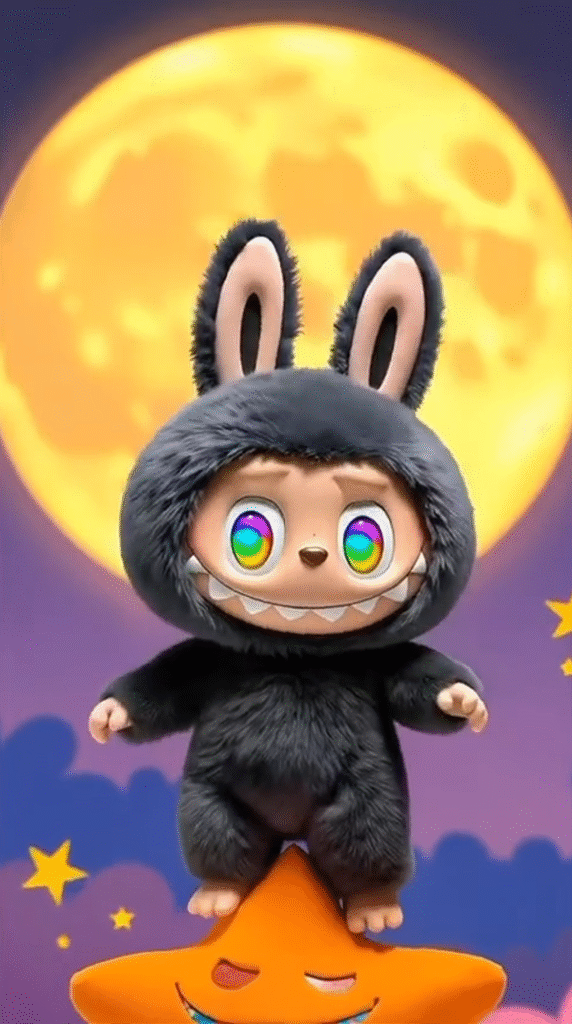
Check the base for branding and symbols. Official versions include engraved logos or batch numbers. These markings are clean and precise. Fake ones might have smudged or missing engravings. Always inspect this area closely as part of how to tell if a labubu is fake.
Paint application reveals a lot. Authentic figures feature smooth, even coats without streaks or drips. Look at small areas like eyes or accessories. Imperfections here suggest low-quality production. This careful observation helps determine how to tell if a labubu is fake.
Compare proportions to known genuine models. Fakes sometimes stretch or compress features. The head might be too large, or limbs too short. Use side-by-side images from trusted sources. Differences in shape are red flags when trying to tell if a labubu is fake.

Packaging offers another clue. Real items come in sturdy boxes with accurate artwork and logos. Counterfeits often use flimsy materials or incorrect fonts. Even tape seals differ—authentic ones use specific patterns. Packaging inspection supports how to tell if a labubu is fake.
Look for mold lines. While all figures may have some, fakes often leave excessive flashing or rough seams. These indicate rushed manufacturing. Gently run a finger along edges. Harsh ridges suggest lower standards—something to consider in how to tell if a labubu is fake.
Authentic labubus usually come with certificates or tags. These include serial numbers and authenticity seals. Missing or poorly printed documents raise suspicion. Always ask for proof when buying secondhand. Documentation is vital in how to tell if a labubu is fake.

Eyes are a standout feature. Real ones have sharp, glossy finishes with perfect symmetry. Fakes may have misaligned or flat-looking eyes. Use a magnifying glass if needed. Eye quality alone can answer how to tell if a labubu is fake.
Feel the surface texture. Genuine pieces have a soft matte or semi-gloss finish. Counterfeits might feel sticky, grainy, or overly shiny. Run your fingers gently over the body. Unusual textures hint at cheap materials—an aspect of how to tell if a labubu is fake.
Size consistency matters. Most labubus follow standard dimensions. Measure yours with a ruler. Significant deviations point to replicas. Even a few millimeters off can signal a fake. Size checks are simple yet effective in how to tell if a labubu is fake.

Accessories should match the original design. Hats, bags, or tools must align with official releases. Fakes often alter shapes or skip details. Compare every add-on carefully. Inconsistencies reveal themselves when studying how to tell if a labubu is fake.
Joint stability shows build quality. Articulated parts should move smoothly but stay firm. Wobbly or stiff joints suggest inferior engineering. Test movement gently. Poor mechanics often accompany counterfeit products—key in how to tell if a labubu is fake.
Smell can surprisingly help. Authentic figures have a mild plastic or resin scent. Fakes sometimes emit strong chemical odors. Sniff near hidden areas like the base. A harsh smell may mean unsafe materials—another angle on how to tell if a labubu is fake.

Research the seller’s reputation. Trusted collectors and verified shops rarely deal in fakes. Check reviews and past sales history. Unknown sellers with too-good deals are risky. Seller credibility ties directly into how to tell if a labubu is fake.
Pricing is a major indicator. Extremely low prices often mean counterfeits. High demand keeps real values stable. If a deal seems unbelievable, it probably is. Price awareness supports how to tell if a labubu is fake.
Community forums offer valuable insights. Experienced collectors share comparison photos and tips. Post your item for feedback. Enthusiasts can spot fakes quickly. Tapping into group knowledge enhances how to tell if a labubu is fake.
Lighting affects perception. View the figure under natural light. Shadows can hide flaws. Rotate it slowly to catch all angles. Proper lighting exposes inconsistencies critical to how to tell if a labubu is fake.
Serial numbers should be traceable. Some brands allow verification online. Match the number to release data. Duplicates or invalid codes mean trouble. Checking authenticity numbers aids how to tell if a labubu is fake.
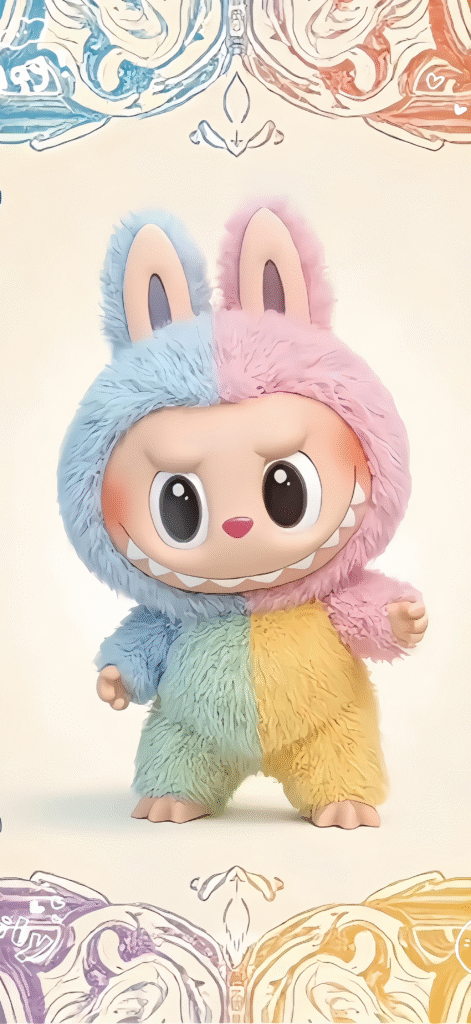
Emotional response isn’t foolproof, but trust your gut. If something feels “off,” investigate further. Years of collecting sharpen instincts. Intuition, backed by facts, contributes to how to tell if a labubu is fake.
Reputable auctions list provenance. Documents tracing ownership increase confidence. Lack of history raises doubts. Provenance research strengthens how to tell if a labubu is fake.
Avoid impulse buys. Take time to compare. Rushed decisions lead to regrets. Pause and verify every detail. Patience is essential in how to tell if a labubu is fake.
Use a UV light to detect repaints. Some fakes are touched up to mimic originals. UV reveals patches or uneven fluorescence. This advanced method refines how to tell if a labubu is fake.

Study limited edition markers. Special versions have unique identifiers. Glow-in-the-dark elements or rare colors are hard to copy. Knowing these traits improves how to tell if a labubu is fake.
Join collector groups. Shared experiences build collective wisdom. Members warn about new fake trends. Community input sharpens how to tell if a labubu is fake.
Keep records of your purchases. Save receipts, messages, and photos. Documentation helps if disputes arise. Being organized supports how to tell if a labubu is fake.

Watch for emotional manipulation. Sellers may claim urgency or rarity to pressure buyers. Stay calm and analytical. Emotional tactics distract from spotting fakes—key in how to tell if a labubu is fake.
Replicas lack soul. Even high-quality fakes miss subtle charm. There’s an intangible quality in originals. Learning to sense this deepens how to tell if a labubu is fake.
Always request multiple photos. Ask for close-ups of faces, bases, and marks. Blurry or avoided angles are warning signs. Photo scrutiny is central to how to tell if a labubu is fake.
Final thought: education is power. The more you know, the harder it is to be fooled. Stay curious, keep comparing, and trust reliable sources. Mastering how to tell if a labubu is fake protects your passion and investment.