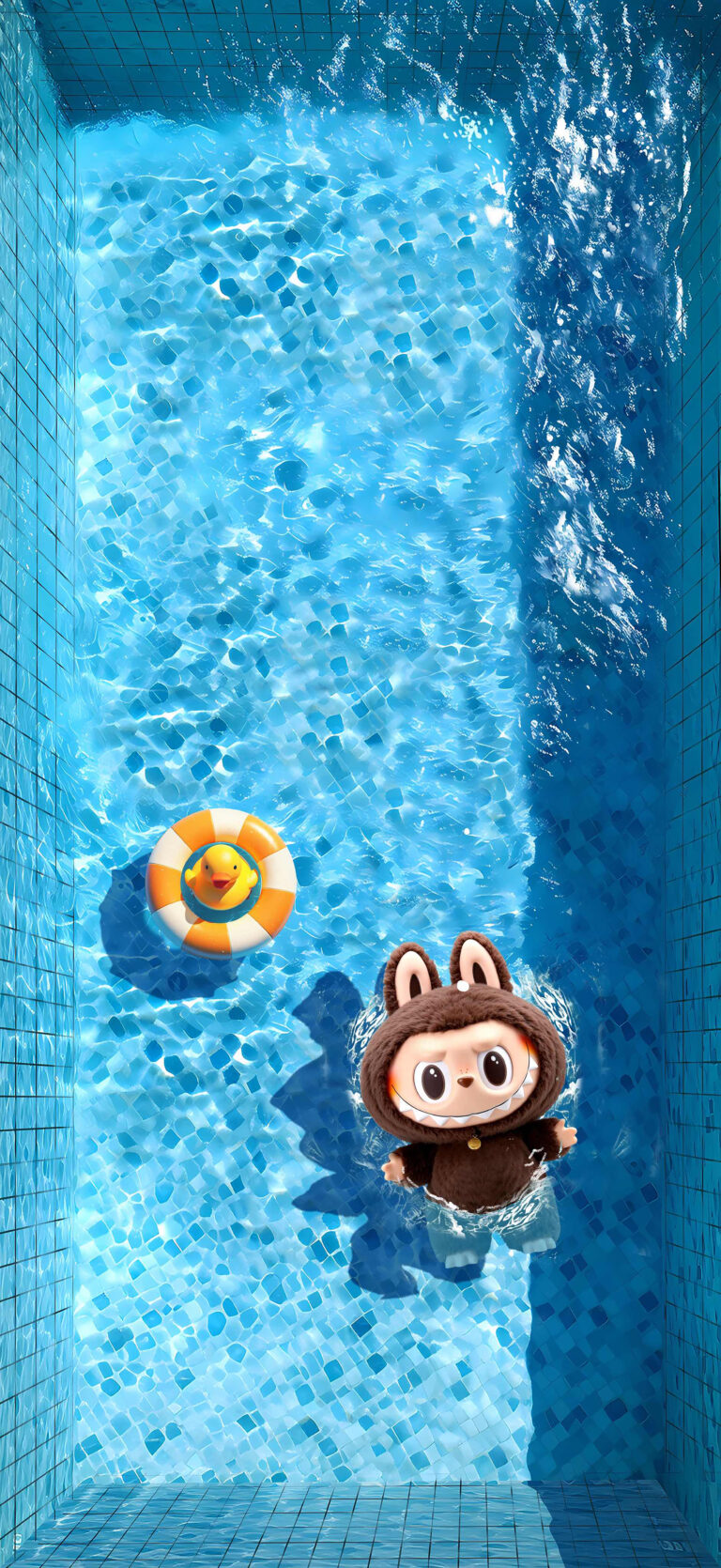
LABUBU Character Introduction
Labubu is a Nordic forest elf character created by Hong Kong artist Kasing Lung, now one of POP MART’s core IPs. Its unique “ugly-cute” design, rich character development, and global influence have made it a phenomenon in the collectible toy industry. Below is a LABUBU Character Introduction to Labubu and its family members: 1….
Labubu is a Nordic forest elf character created by Hong Kong artist Kasing Lung, now one of POP MART’s core IPs. Its unique “ugly-cute” design, rich character development, and global influence have made it a phenomenon in the collectible toy industry. Below is a LABUBU Character Introduction to Labubu and its family members:
1. Labubu
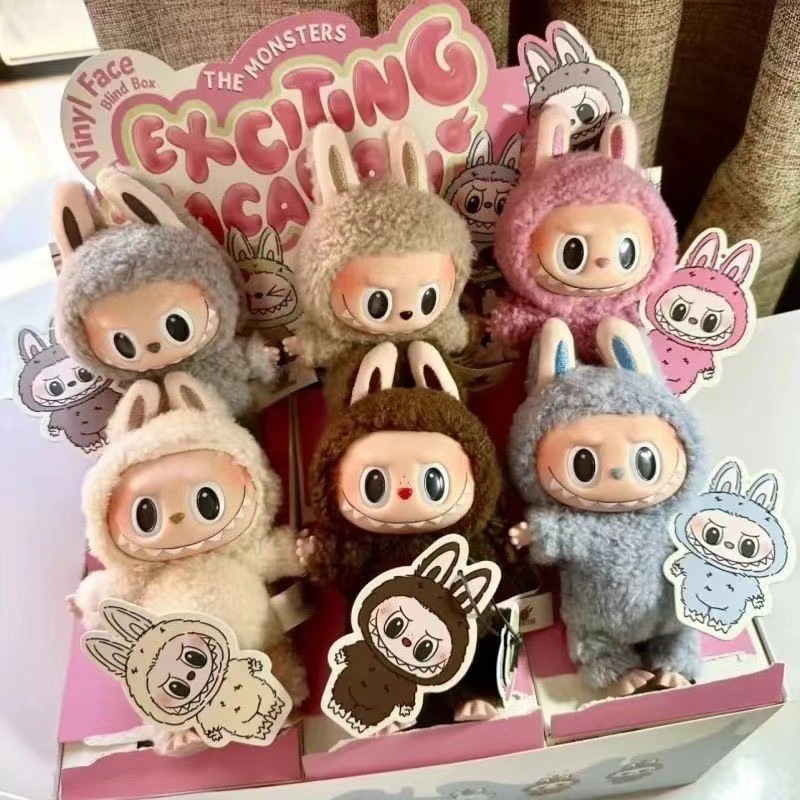
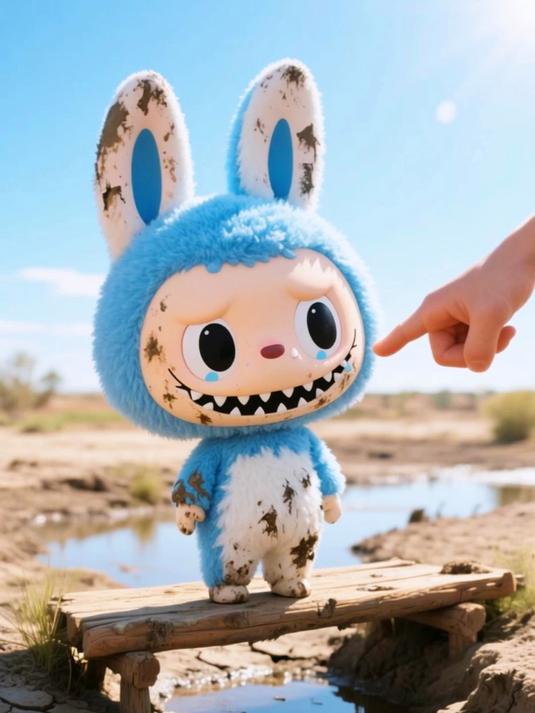
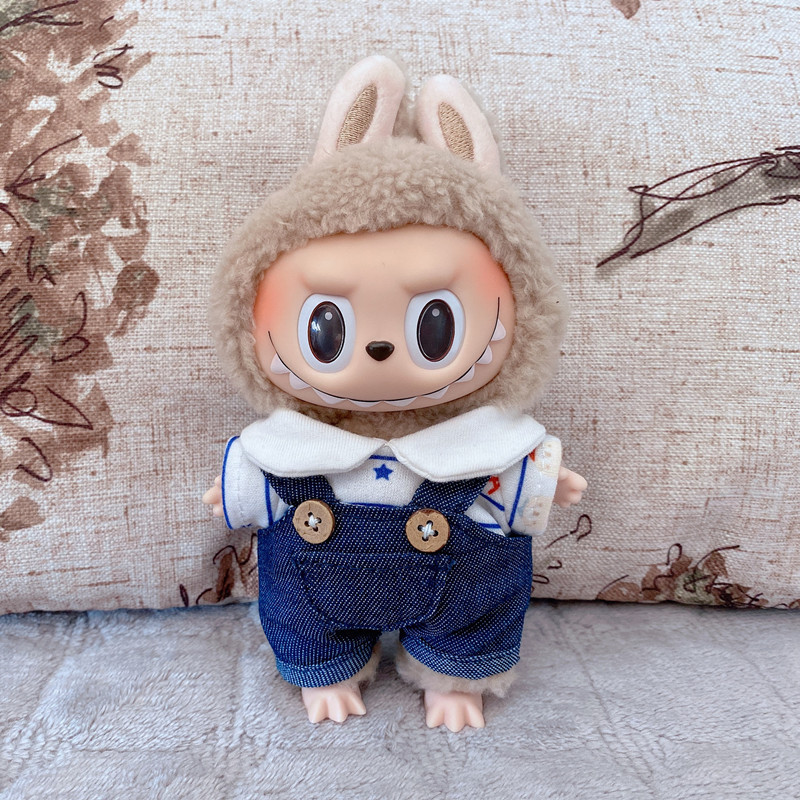
Physical Traits: Labubu features iconic pointed ears, nine serrated teeth, and asymmetrical pupils. Its “mischievous” appearance belies an innocent and playful spirit. Standing roughly the height of a cat, its fur is predominantly brown, with contorted limbs embodying a contrasting aesthetic of ‘strangeness’ and “cuteness.”
Personality and Background: Set as a spirit from the Nordic forests, Labubu is mischievous and optimistic, prone to pranks yet curious about everything, with a kind and brave heart. Her story originates from Long Jiasheng’s picture book trilogy The Spirit Trilogy (including The Mysterious Buka, Bado and the Maiden, and Miro’s Requiem), where she often displays her lively personality through amusing antics like being a “habitual fruit thief.”
Gender and Clan: In the original works, Labubu is explicitly female, belonging to a carefree clan of about 100 elves. The clan also includes a male variant named “Zimomo,” who serves as their leader.
2. Core Members of the Labub Family
The Labub Family (THE MONSTERS Spirit Squad) comprises several distinct characters:
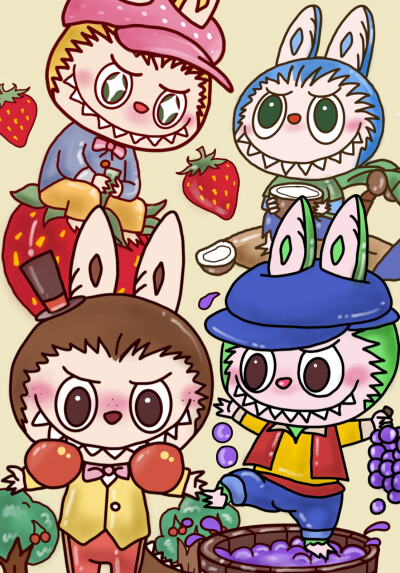
Zimomo: Male, leader of the Labub tribe. Twice Labub’s size with rabbit ears and a tail, he possesses a mysterious personality and a passion for adventure. He frequently joins Labub on fantastical journeys throughout the story.
Tycoco: Male, skeleton-like appearance yet embodies love. Shares a romantic bond with Labubu. Gentle and romantic, creating an adorable contrast between his outward appearance and inner nature.
Mokoko: Female, adorned with floral headpieces. Warm-hearted, serving as the family’s “healing presence.” Often interacts with Pippo.
Other Members:
Vos: Fox-like in appearance, Labub’s cousin/senior brother, a dependable supporter.
Pato: A crowned fairy, mysterious and noble.
Yaya: Silver mecha-style, adding a tech-savvy vibe to the family.
3. Design Philosophy and Trend Factors
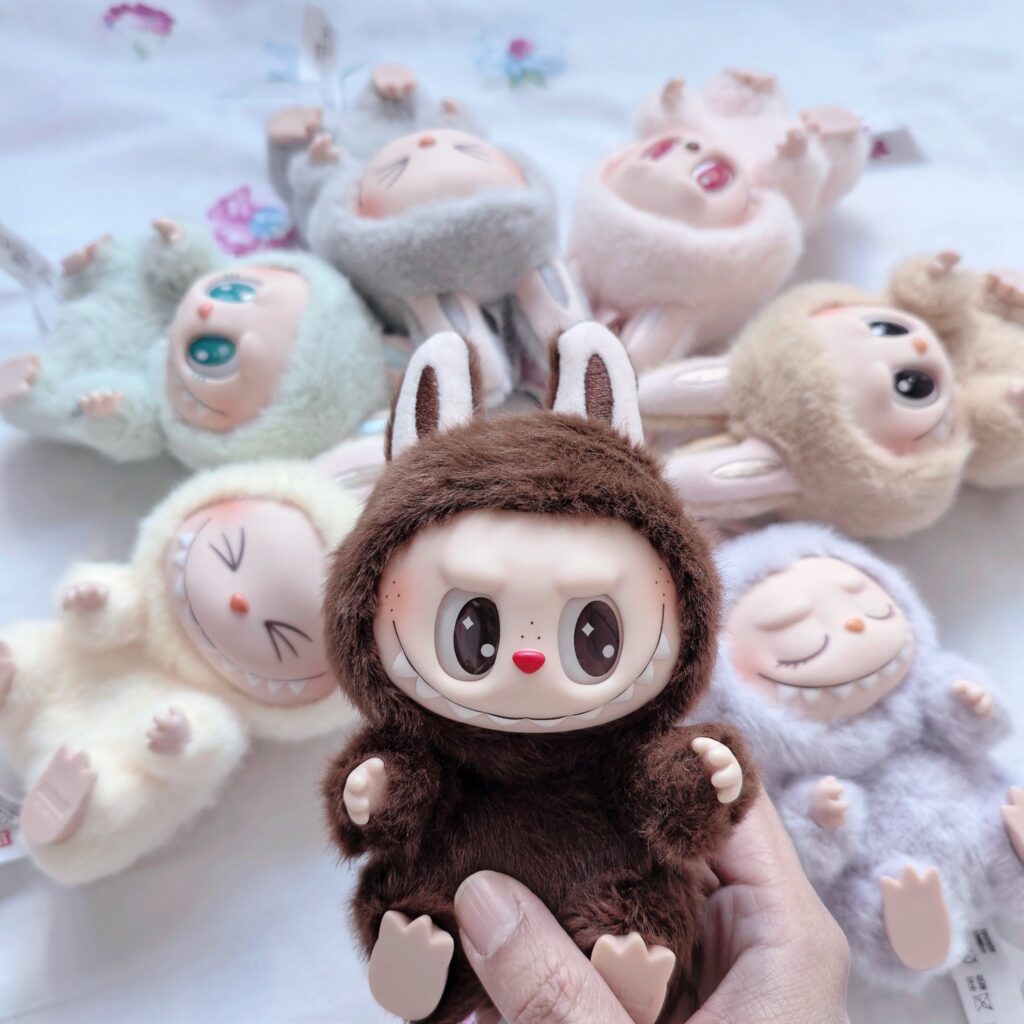
“Ugly-cute” Aesthetic: Labub subverts traditional cuteness with “imperfect” design, appealing to Gen Z by resonating with modern desires for self-expression and emotional connection. Its exaggerated expressions (e.g., bared teeth, squinted eyes) convey rebelliousness and goofy charm.
Commercialization & Celebrity Effect: Pop Mart amplifies collectible value through blind box mechanics (e.g., hidden variants, limited-edition collaborations). Public endorsements by celebrities like BLACKPINK’s Lisa and Rihanna propelled it from niche collectibles to mainstream cultural icons.
Global Impact: With 2023 sales exceeding 100 million units, it became Pop Mart’s fastest-growing IP. Officially designated Thailand’s “Wonderful Thailand Experience Ambassador,” it stands as a representative of Chinese cultural exports.
4. Derivative Development and Cultural Significance
Labubu transcends toys, expanding into animation, fashion collaborations (e.g., UNIQLO, Vans), and art installations. In 2025, it announced the animated series LABUBU and Friends, further expanding its IP universe. Its success reflects contemporary consumers’ psychological needs for “emotional companionship” and “acceptance of imperfection,” becoming a vessel for social currency and identity.
Labubu is the core IP character of Pop Mart’s trendy toy brand “THE MONSTERS,” created by Hong Kong artist Long Jiasheng. Its prototype originates from the Nordic forest sprites featured in his picture book trilogy “The Spirit Trilogy.” Below is a detailed introduction to Labubu:
I. Basic Characteristics
Physical Features
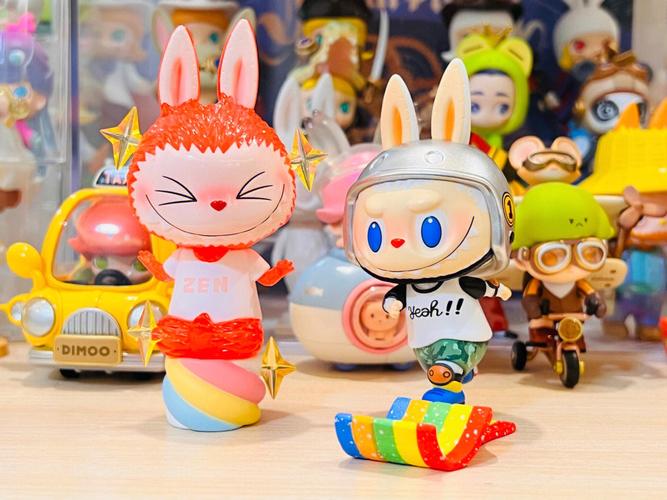
Pointed ears, 9 serrated teeth, no tail, height similar to a cat.
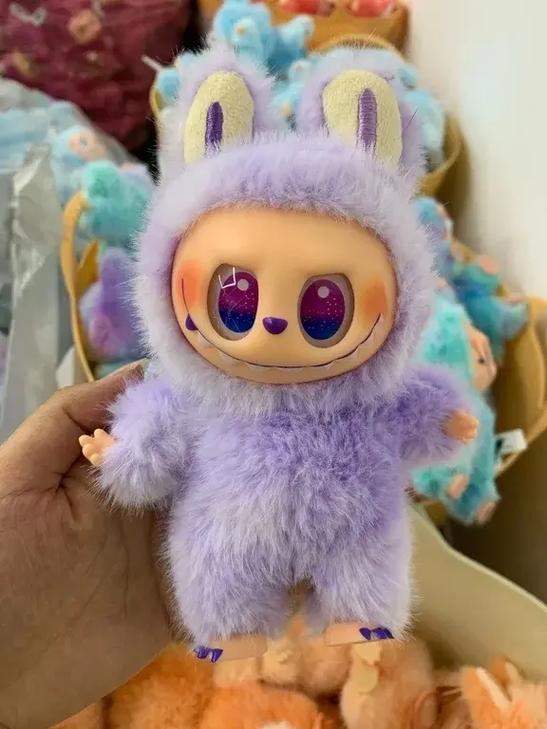
Signature “mischievous yet innocent” smile, plush texture, common colors include white, pink, etc.
The variant ZIMOMO is the sole male, largest in size, with a large tail on its back.
Personality Traits
Playful and mischievous, highly curious, yet optimistic and kind-hearted.
Cute Contrast: “Ugly-cute” exterior paired with pure innocence, aligning with Gen Z’s pursuit of “rebellious aesthetics.”
Tribe Setting
Labubu is the collective name for over 100 forest-dwelling sprites, with ZIMOMO as their leader.
Romantic Relationship: Forms a “lovable rivals” pairing with the skull-headed TYCOCO.
II. Core Characters & Clan Members
ZIMOMO (Clan Leader)
The sole male, largest in size, with a signature large tail on his back.
Reserved and enigmatic, he loves adventure and serves as the tribe’s “backbone” for order and vitality.
MOKOKO (Best Friend)
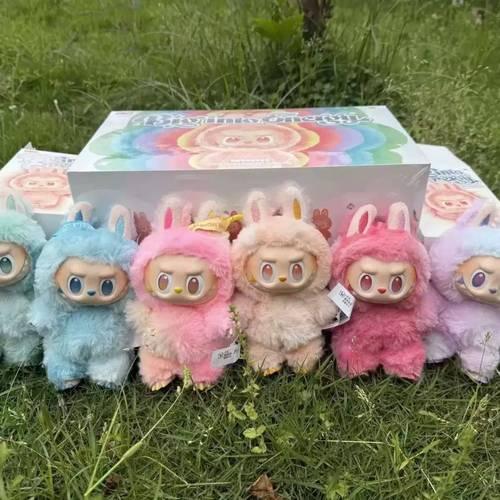
Pink fur, white belly, heart-shaped nose, naturally fragrant.
Narcissistically adorable, she is Labubu’s closest companion.
TYCOCO (Lover)
Skeleton-shaped, vegetarian, optimistic yet timid.
Creates a contrasting romance with Labubu’s love story.
YAYA (The Group’s Darling)
Tender sprout on head, poor sense of direction. Became the group’s favorite after accidentally wandering into Labubu Village.
Overly energetic personality, loves running around everywhere.
SPOOKY (Ghost Clan)
Ghost-like appearance, active at night, loves lively gatherings.
Member of the Forest Ghost Clan, shares a mysterious connection with Labubu.
III. IP Development Journey
Origins and Creation
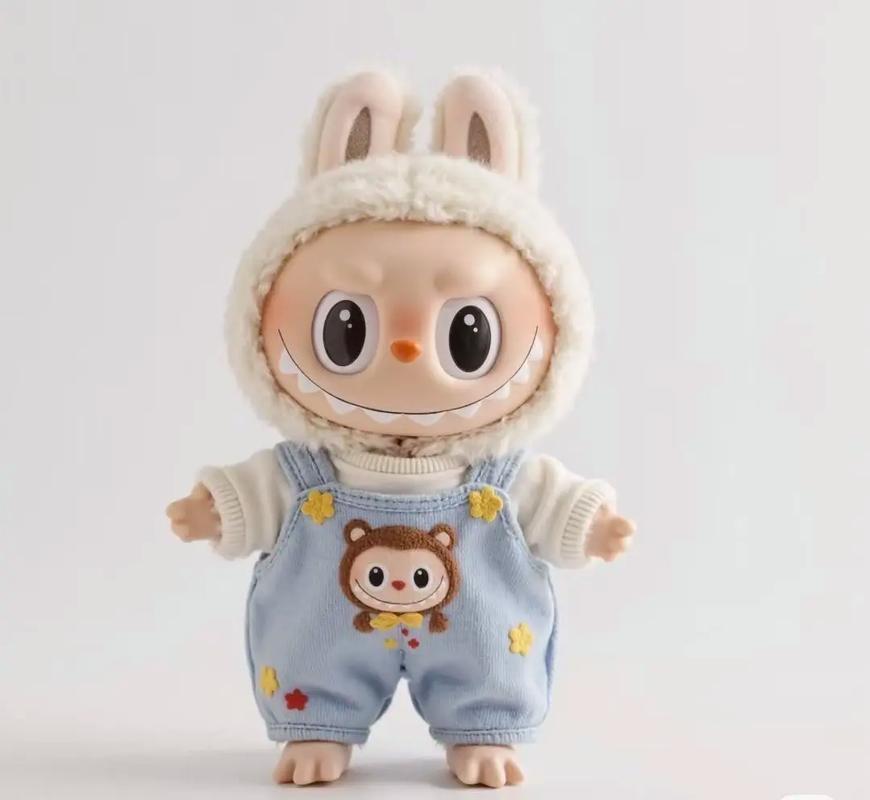
Born in 2015 from Long Jiasheng’s picture book trilogy “The Spirit Trilogy,” blending Nordic spirit legends with Eastern supernatural elements.
Early designs featured fierce aesthetics, later refined into cuter, plush-textured characters.
Commercial Breakthrough
2023: Launched “Heartbeat Macaron” plush keychain blind boxes, designed for bags or social settings, driving cross-cultural appeal.
2024: THE MONSTERS series generated over 3 billion yuan in revenue, marking a 7x year-over-year growth.
2025: Global release of the “High Energy Ahead” series sparked a buying frenzy, propelling Pop Mart’s explosive overseas expansion.
Globalization Strategy
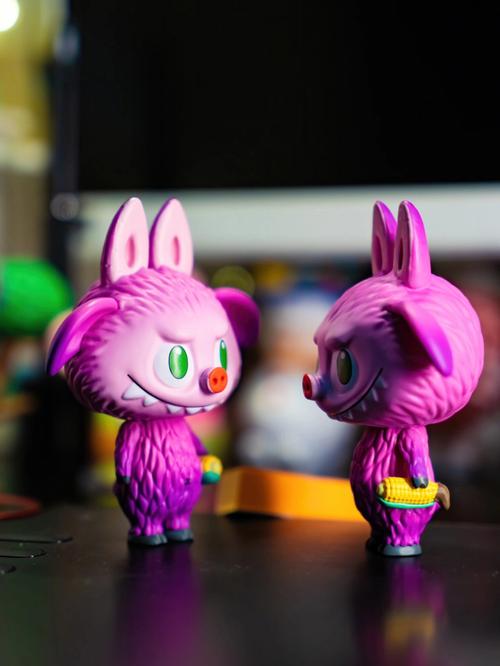
Celebrity Effect: Stars like Rihanna and Lisa shared photos with Labuboo on social media, sparking fan imitations.
Localized Collaborations: Partnered with the Louvre’s masterpieces in France and launched Thai-inspired designs in Thailand, breaking cultural barriers.
IV. Cultural Phenomenon and Social Impact
Anti-Traditional Aesthetics
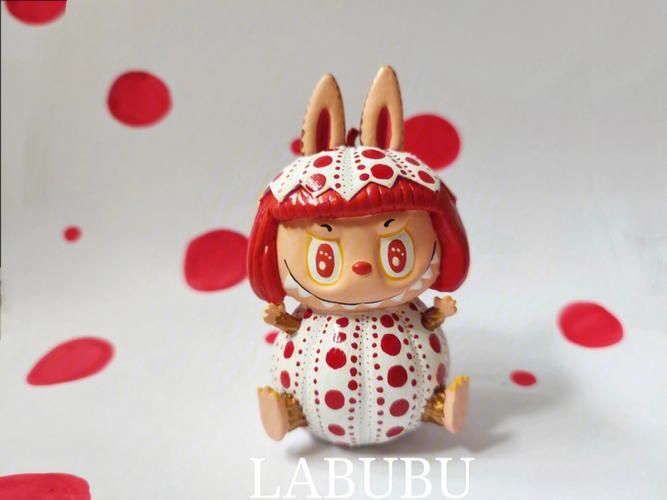
Elements like sharp teeth and mismatched eyes create visual impact, while plush textures and rounded forms offer tactile comfort—resonating with young adults’ desire for self-expression and emotional solace.
Social Currency
Serving as a medium for self-expression and social connection, LaBuBu trends relentlessly on TikTok, Weibo, and Douyin.
Economic Value
2025: First-generation mint-colored collectibles sold for ¥1.08 million; brown gummy figurines fetched ¥820,000.
Pop Mart creates scarcity through limited releases and blind box mechanisms, driving premium prices in the secondary market.
V. Future Outlook
Content Expansion
Advance content development including short films and movies, building an IP ecosystem following Disney’s model.
Multi-IP Matrix
Pop Mart’s established IPs like Molly and Crybaby maintain vitality, while new IPs such as “Star People” demonstrate strong performance.
Channel Expansion
Over 400 physical stores and 2,000 robot vending machines domestically; over 150 physical stores and approximately 200 robot vending machines internationally.
Emerging markets like South America and the Middle East demonstrate high acceptance, representing untapped growth opportunities.